BUYER'S GUIDE - 3 MIN READ
Food Processing PPE Buying Guide: Hygiene, Fit and Order Control
Editorial information, sources and corrections
Source food processing PPE with practical guidance for hygiene, task separation, fit, traceability and export packing.
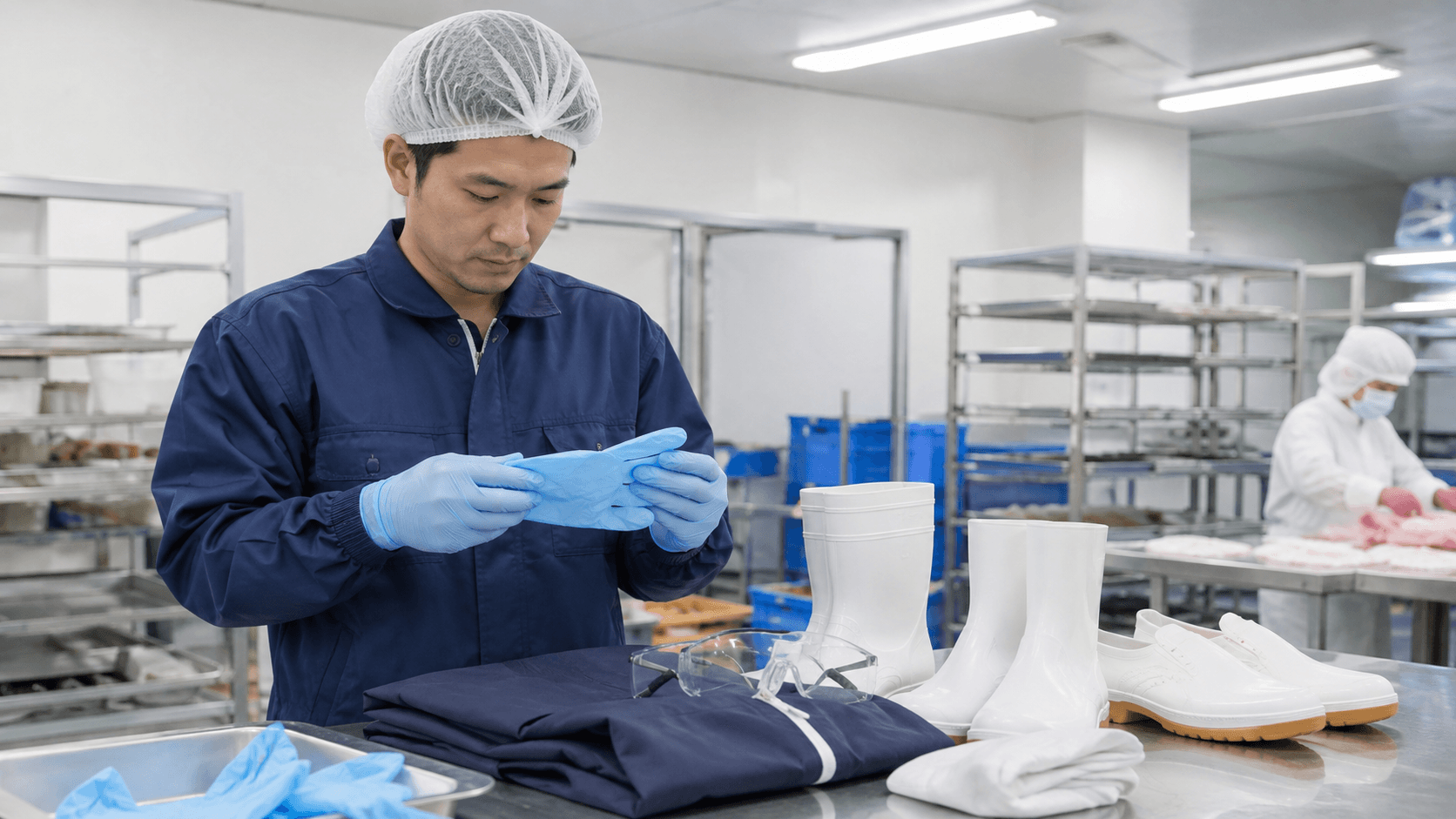
Primary topic: food processing PPE buying guide
Introduction
Food processing PPE is a purchasing category where hygiene requirements and task performance must be planned together. Gloves, protective sleeves, footwear, head coverings, eye protection and workwear can be affected by washdown routines, temperature, product contact policy, colour-coding and visitor procedures. The site must define requirements; the buyer's job is to make them controlled and repeatable in the order.
Quick answer: Separate raw-material, processing, cleaning, maintenance and visitor tasks. Specify approved colour, material, size curve, change frequency, packaging and product traceability before sampling.
PPE does not replace hygiene controls or a food-safety system. Use the site's own hazard analysis and local food, worker-safety and customer requirements as the authority for selection.
Turn hygiene rules into a procurement file
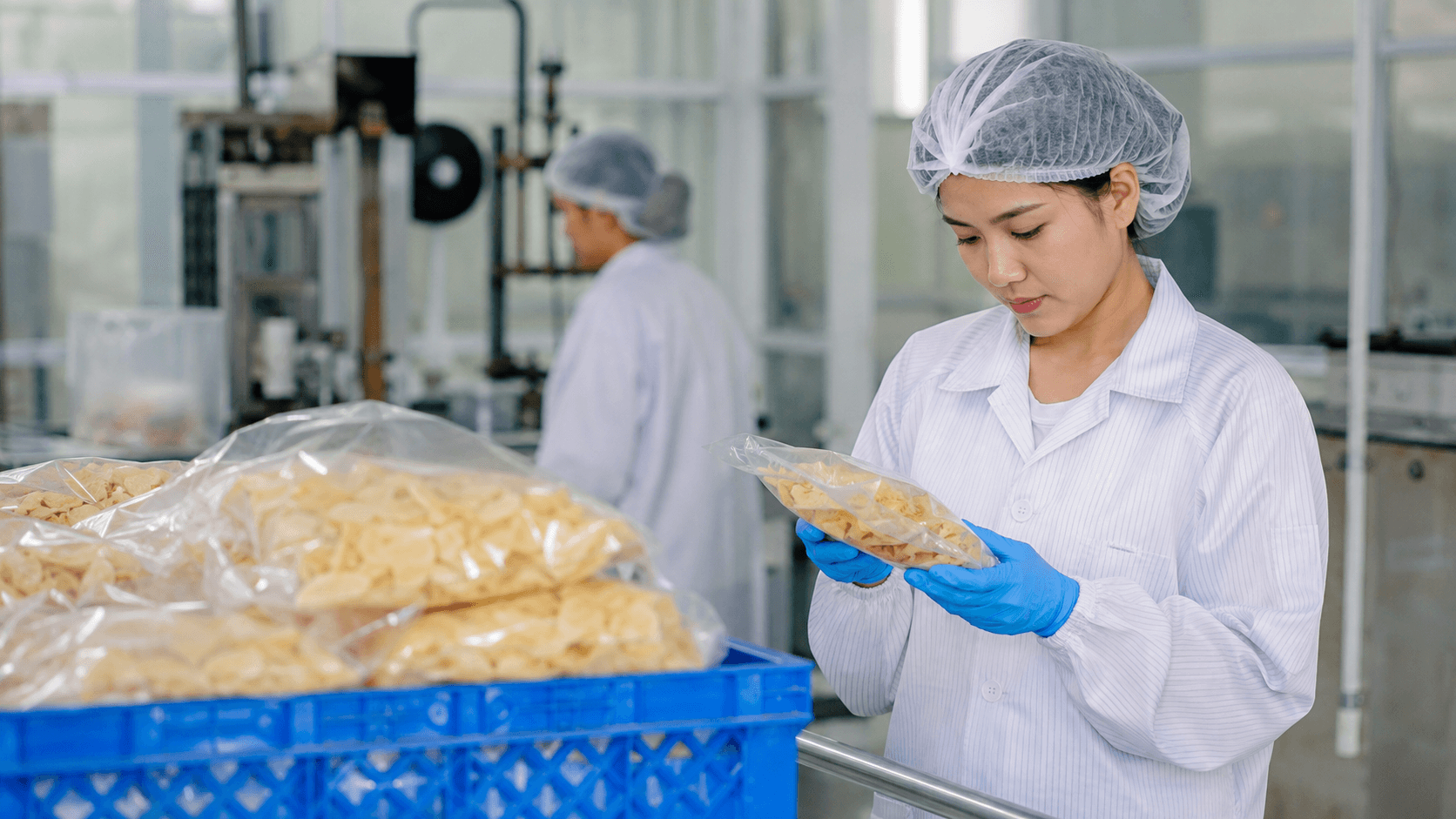
Create a product sheet for every item. It should state the work zone, wearer role, intended task, material, colour, sizing, cleaning/replacement plan, packaging type and any customer requirements. Colour can be important for visual management, but it should not become a substitute for approved materials and procedures.
For safety gloves, buyers should confirm the expected handling task, wet/dry condition, dexterity, cuff coverage and change policy. For footwear, ask whether washdown, slip exposure, cold rooms or long walking distances are involved. A sample needs to be assessed in these use conditions, not only at a desk.
Control compatibility and contamination risk
PPE selection should avoid loose components, poor fit and unclear issue procedures. Review garment closures, pocket design where relevant, glove-to-sleeve interface, footwear cleaning access and whether eyewear can be cleaned and stored appropriately. If protective gear is shared, define issue, cleaning and inspection responsibility with the customer.
During factory testing, we can compare colours, size labels, packaging and product construction against an approved sample. The customer remains responsible for determining suitability for food-contact and hygiene procedures.
Inspect the shipment for repeatability
Final inspection should confirm the exact item, colour, size ratio, packaging, labels and carton marks. Keep photo records and packing lists with the approved sample file. Our PPE import documentation checklist provides a useful framework for matching commercial documents and physical goods.
Need a controlled food-processing PPE quotation? Send your requirements with the work zones, task list and destination market.
FAQ
What PPE is common in food processing?
The PPE depends on the operation. Gloves, footwear, workwear, head coverings and eye protection are common categories, but the site must define the required items and hygiene controls.
Why is colour control important?
Colour can help a site separate zones or identify products visually. It is useful only when paired with documented issue, cleaning and replacement procedures.
How should a buyer approve a food PPE order?
Approve a model-and-packing sample, lock the product sheet and inspect the shipment for colour, size, labels, packaging and carton marks.
Conclusion
Food processing PPE performs best as a documented hygiene supply programme. A controlled product sheet and representative sample reduce ambiguity when sites replenish or expand their orders.
CTA: Request a Food PPE Sample Plan
Contact PPEgen with your task zones, size curve and packaging requirements.
BUYER RESOURCES
Continue your PPE sourcing research.
Explore relevant PPE categories and a primary safety reference alongside this guide.Use this source alongside destination-market requirements for the exact product and application.
READY TO DISCUSS YOUR REQUIREMENT?