BUYER'S GUIDE - 11 MIN READ
Hearing Protection Fit Testing: How to Inform a Bulk Purchase
Editorial information, sources and corrections
Use hearing protection fit testing to inform bulk purchasing, with documented wearer results, approved alternatives and clear supplier requirements.

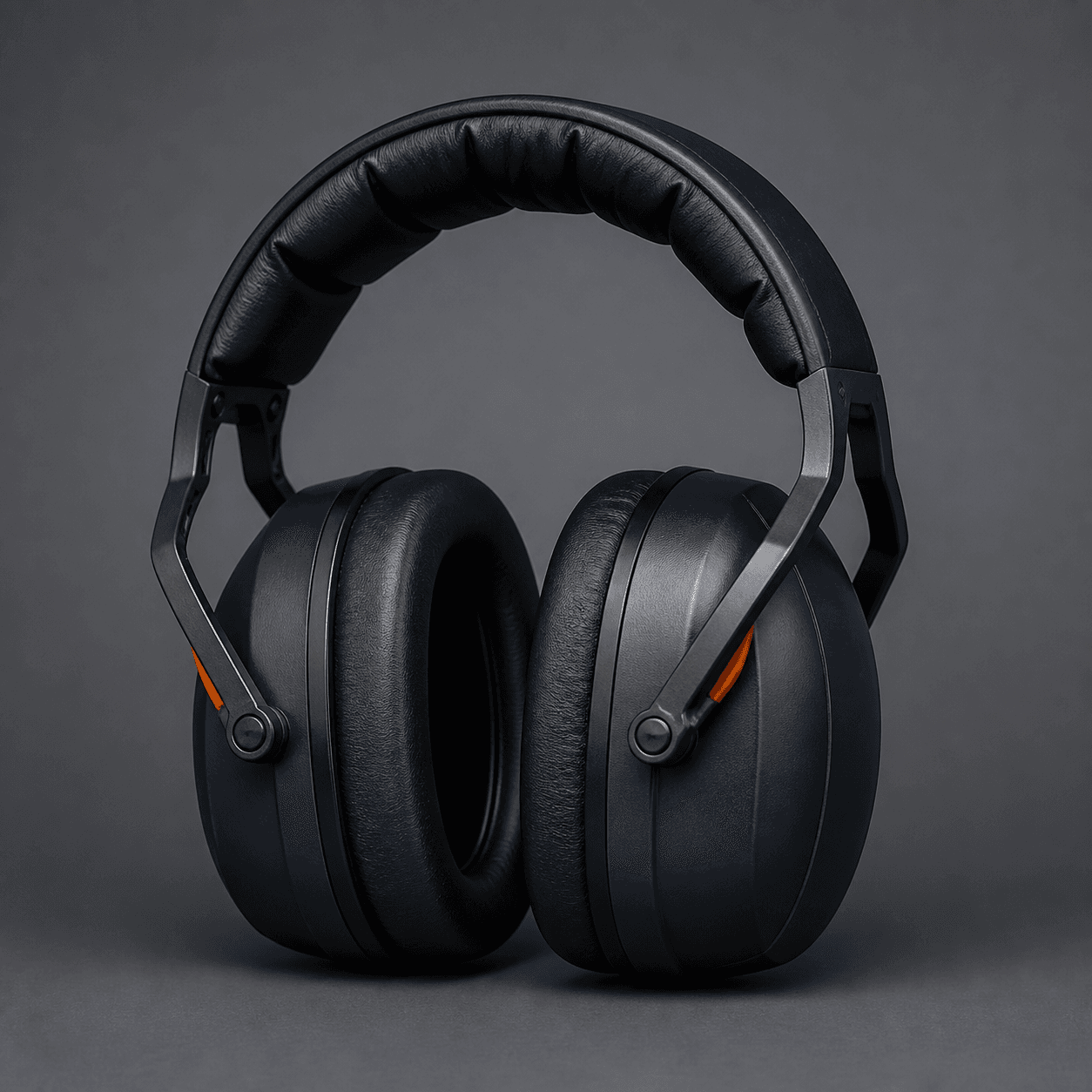
Illustrative image, not evidence of testing or a documented customer project. Procurement guidance does not replace product instructions or competent workplace assessment.
Primary topic: hearing protection fit testing bulk purchase
Introduction
For a bulk purchase, hearing protection fit testing should connect workplace noise assessment with the attenuation that an individual wearer obtains from a specific protector. A label rating describes a product evaluation; it does not establish the same protection for every worker. Buyers should plan sample availability, training and appropriate fit testing before standardizing a large order.
The National Institute for Occupational Safety and Health’s 2025 policy update recommends individual quantitative fit testing. For procurement, the practical consequence is to support the hearing-conservation program with identified candidates and alternatives. It is not a reason to select the largest label number without considering the work and user.
This guide is for employers, distributors and purchasing teams supporting a competent noise program. It explains what information to request and how to translate evaluated results into an approved assortment. It does not prescribe a protection target or authorize interpreting noise exposure without the appropriate expertise.
Quick answer: Select hearing-protector candidates through the workplace noise program, then evaluate individual fit using an appropriate system and trained process. Link results to the exact model and wearer, provide instruction and approved alternatives where needed, and buy the accepted configurations. A packaging rating is not an individual fit-test result.
Start with the noise program’s decision
Ask the responsible site team to define the relevant exposure, work tasks, protection objective and other controls. Procurement needs a written requirement, not unrestricted personal health data. Confirm who approves hearing protection and who provides fitting instruction. Keep purchasing responsibilities separate from professional interpretation of exposure and results.
The National Institute for Occupational Safety and Health’s fit-testing update provides the current recommendation. Its focus is the protection received by an individual. Use that reference for the program-level rationale, then follow the chosen system’s instructions and the site’s approved method.
Define the candidate set
Include appropriate product forms, sizes and configurations selected by the technical team. One model may work for many users without working for all. Ask whether the program needs several approved alternatives. The purchasing plan should make those alternatives accessible rather than requiring workers to improvise when the standard issue does not fit.
Record other PPE and task requirements. Helmets, eyewear, respirators and communication needs can influence the final configuration. Do not evaluate an earmuff alone if it will be used with different head-mounted equipment. Keep the complete intended set within the review.
Distinguish product ratings from individual results
Noise reduction rating and other product-label information describe their applicable systems. A personal attenuation rating describes an individual fit-test result under the method used. They should not be copied into the same field or treated as automatically interchangeable. Ask the fit-test provider to explain the output and its limitations.
The NIOSH hearing-protection guidance explains that fit testing produces individual information and can support instruction and selection. Procurement should record approved model outcomes rather than calculating a universal conversion from the label. Keep technical interpretation with the program’s responsible professionals.
Avoid a highest-number purchasing rule
The right product should satisfy the program requirement and be suitable for the work. An unnecessarily isolating configuration can create operational concerns that need professional review. Do not treat the largest advertised rating as the sole acceptance criterion or assume that more attenuation always improves the overall decision.
The Health and Safety Executive’s hearing-protection guidance addresses selection, compatibility and maintenance. Its jurisdictional context should be respected. Use the applicable destination requirements and exact product evidence rather than mixing rating systems into an unsupported global ranking.
Plan sample supply before the testing session
Ask the technical team which candidate references and sizes it needs. Order identified samples with current fitting and care instructions. Confirm whether consumable items used during the session are part of the planned method. Some fit-test systems require their own approved procedure or accessories; follow that system rather than improvising a substitute.
Pack samples so that models cannot be confused. Include a reference list connecting supplier codes, buyer trial identifiers and product packaging. Unidentified loose earplugs create a weak basis for ordering the product that produced an accepted result. The trial record should remain connected to the actual commercial model.
Separate demonstration stock from issue stock
Define hygiene and handling arrangements through the site program and manufacturer instructions. Do not return used trial items to new stock indiscriminately. Record what may be reused and what must be disposed of. Procurement should supply enough appropriate trial materials to support the approved process.
An illustrative plan may provide 3 identified candidate models and reserve time for instruction and retesting where the system requires it. These are planning examples, not a mandatory model count or a prescribed fit-test schedule. The site determines the scope according to its workforce and noise program.
Use training as part of the evaluation
A poor initial fit result may call for further instruction or a different approved model. The program should decide the next step using its method. Procurement should not label a product defective solely because one wearer initially fails to fit it correctly. Likewise, a passing result should not eliminate ongoing correct-use training.
Keep instructions accessible to users and supervisors. The sample decision should establish what support is needed for correct insertion or wearing. A product that requires a process the workplace cannot maintain may need a different operational review. Availability and training are part of a usable purchase decision.
Record results proportionately
Maintain model-specific results and the program’s approved decision in the appropriate system. Purchasing may only need aggregate accepted model quantities and exceptions. Avoid distributing unnecessary personal health information to suppliers. Ask the responsible team what data is appropriate for stock planning.
Our hearing protection buying guide provides broader commercial context. This article adds the individual-fit layer. Use both to connect exact model documents with actual selection, without presenting a product catalog as a substitute for the noise program.
Evaluate the complete PPE combination
If the selected protector will be used with other equipment, review that intended configuration through the program’s appropriate method. Eyewear temples and headgear can affect earmuff use; head-mounted accessories may change position. The exact configuration matters more than a general statement that products are compatible.
Our hearing-protection compatibility guide helps structure the item list. Identify helmets, spectacles and protector variants by model. A sample session conducted without the usual equipment leaves a gap that the technical team should resolve before bulk approval.
Record work-related acceptance
Ask users about comfort, communication and correct-use feasibility within safe conditions. These observations are distinct from fit-test output. Keep a separate field for each. A comfortable protector may still require another technical decision, while an accepted fit result may need operational support to achieve consistent use.
Avoid encouraging users to remove required protectors to compare noise subjectively. Follow the site’s controlled assessment and training process. Procurement should provide suitable candidates and records, not create its own hazardous exposure demonstration.
Send Your Requirements: Share the approved model shortlist, destination market, quantities, size or configuration needs and sample schedule through PPEgen’s inquiry page. Request current instructions and identified sample packs. The site’s competent team can then review the offered products through its hearing-protection program.
Convert outcomes into a controlled assortment
Create an approved model list with the intended user allocation or issue route. Where several alternatives are needed, make their identifiers clear in stores. A standard product and a documented alternative can be managed without implying that the standard fits everyone. Retain the trial reference and approval date.
Estimate demand using the program’s selected models and replacement requirements. For illustration, if 80 users are allocated model A and 20 model B, an order proportional to 100 users still needs the replacement and replenishment assumptions added. The example allocation is not a claim about fit-test pass rates or market demand.
Do not substitute on rating alone
A stock shortage should trigger the approved alternative process. A different model with the same label rating is not automatically equivalent for an individual wearer. The technical team may need instruction, fit testing or another review. Keep substitution authority explicit in the purchase and stores procedures.
Our emergency PPE replenishment guide supports continuity planning. Ask suppliers about model availability and change notifications. A stable commercial reference reduces the risk that a reorder silently becomes a different product.
Verify factory evidence and shipment identity
Request exact-model documentation for the required product claims. Factory testing and product classification support the supplied model, while individual fit testing supports wearer evaluation under its own method. Do not combine them into one unexplained “tested” label. State which evidence answers which question.
During shipment inspection, check model, size or configuration, marking, pack counts, instructions and visible condition. Confirm the ordered variant and any accessories. Sampling can reveal identity and workmanship discrepancies; it does not fit-test every eventual user. Workplace issue and fitting remain separate program steps.
| Evidence | Owner or source | Procurement use |
|---|---|---|
| Product documentation | Manufacturer or relevant test provider | Verify offered-model claims |
| Individual fit result | Site’s approved testing process | Inform wearer selection |
| User feedback | Controlled trial record | Review comfort and practical use |
| Shipment inspection | Agreed inspection process | Confirm delivered identity and condition |
Maintain the decision after purchase
Changes in tasks, exposure, product, other PPE or fit concerns may require review by the noise program. Procurement should pass relevant product changes to that team promptly. A previous result does not justify treating all future conditions as unchanged. Keep manufacturer instructions and model revisions current.
Track replacement reasons and availability separately from fit outcomes. This helps identify whether a problem is supply continuity, product condition, instruction or individual fit. Use the program’s records to review the assortment, not a simple purchasing total that conceals different issues.
Example: turn a trial shortlist into a sustainable order
Imagine that a workplace has evaluated several identified protectors through its approved process. Procurement receives an accepted model list rather than the personal testing records. Start by confirming the required quantities, alternatives and issue route with the program owner. Do not infer a universal winner from the largest number printed on the packaging.
Ask whether the selected models have different pack counts or replenishment times. A model accepted for a smaller group still needs reliable availability. An assortment can fail operationally if the alternative is treated as optional stock and becomes unavailable whenever the main product is reordered.
Prepare a commercial table with model reference, approved allocation, unit, pack count, lead time and current instructions. Keep fit outcomes in the program’s appropriate records. Purchasing needs enough information to supply the accepted products without circulating unnecessary individual data or independently interpreting the test results.
If a supplier proposes a changed model, send that information to the technical owner before placing the order. Similar ratings and packaging do not demonstrate the same individual fit. The program should decide whether instruction, testing or another review is needed. Mark the proposed substitution clearly rather than placing it under the old SKU.
At receiving, verify every approved reference and its instructions. A correctly counted carton of the wrong earplug model is not an accepted replacement. Keep unresolved variants separate and investigate with the supplier. Preserve the exact commercial identity that links stock to the program’s evaluated candidates.
After issue, review supply interruptions, instruction availability and user reports through the responsible program. These observations may justify a new candidate evaluation or a stock adjustment. They should not be merged into a claim that the initial testing proved lifetime suitability for all users and conditions. The procurement system should make the program’s accepted choice available consistently while remaining responsive to identified changes.
Keep a versioned purchasing summary alongside the fit-testing records. State which references were shortlisted, which sizes or variants were evaluated and what remains to be resolved. Share only the worker information needed for the program and handle personal records under the organization's privacy process. Procurement needs an approved product and quantity plan; it does not need to turn individual fit results into a public marketing claim.
FAQ
Is the packaging rating the protection every worker receives?
No. Product-label information and individual fit-test results describe different evidence. Follow the workplace noise program and an appropriate testing method to evaluate an individual’s fit. Keep the exact model identified and do not assign the label rating to every user as a measured personal result.
Can a buyer fit-test products without a noise assessment?
Fit information alone does not establish the complete protection requirement. The responsible site team should assess exposure and define the program objective. Procurement can supply identified candidates and instructions, while trained personnel use the appropriate system and interpret its output in the workplace context.
Should a failed initial result mean rejecting the whole model?
The program should determine whether further instruction, retesting or another approved model is appropriate. One initial result does not automatically establish a product defect or universal unsuitability. Record the method, exact model and outcome, and keep the decision connected to the individual and conditions evaluated.
Can the same rating justify an emergency substitute?
Not automatically. Another model may fit differently and require instruction or further evaluation. Use a documented alternative process approved by the technical team. Purchasing should keep accepted references available and communicate supply changes rather than treating similar packaging numbers as proof of wearer equivalence.
What should the supplier receive from a testing program?
Usually the model shortlist, quantities, configuration needs and relevant commercial requirements are sufficient. The workplace should decide what individual information is appropriate to share. Avoid sending unnecessary personal records. Ask for model-specific instructions and samples so that the site can carry out its approved evaluation.
Conclusion
Hearing protection fit testing bulk purchase decisions work best when product evidence, individual evaluation and commercial supply remain connected by exact model identity. Plan samples and instruction, retain approved alternatives and verify delivered stock. The result is an assortment that supports the site’s program rather than relying on one label number.
Request hearing-protection samples
Explore PPEgen hearing protection and request a quotation. Provide the approved candidate requirements, destination market, sample schedule and quantities. Ask for clear model references and current fitting instructions so that your technical team can review the relevant products before bulk ordering.
BUYER RESOURCES
Continue your PPE sourcing research.
Explore relevant PPE categories and a primary safety reference alongside this guide.Use this source alongside destination-market requirements for the exact product and application.
READY TO DISCUSS YOUR REQUIREMENT?