BUYER'S GUIDE - 2 MIN READ
Heat Stress PPE Selection Guide: Balance Protection, Comfort and Workload
Editorial information, sources and corrections
Choose heat-stress PPE responsibly with task mapping, garment comfort trials, hydration planning and controlled sampling for industrial teams.

Primary topic: heat stress PPE selection
Introduction
Hot outdoor work, foundries, warehouses and humid production areas can make PPE less comfortable to wear. Procurement can support compliance by selecting the approved protection level in practical sizes and constructions, while site managers control work-rest, hydration and supervision.
Quick answer: Do not trade away required protection for comfort. Trial the complete approved ensemble in the actual task environment and document wearer feedback.
Map the work and climate conditions
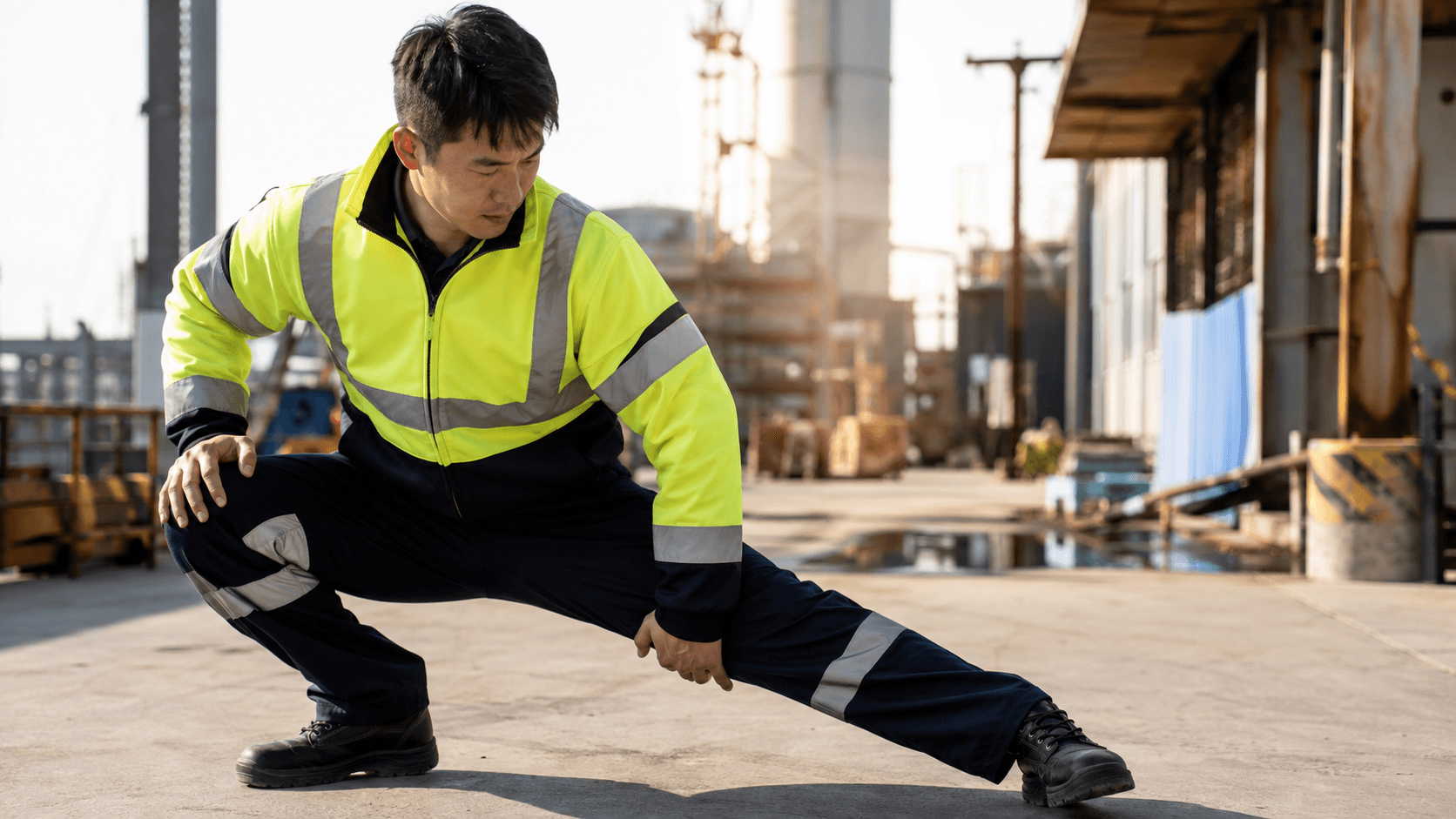
Record ambient conditions, radiant heat, physical workload, shift pattern and whether workers move between indoor and outdoor areas. OSHA’s heat guidance explains why employers need a broader prevention programme. Buyers should convert the outcome into garment, glove, headwear and sizing requirements.
Trial fit and mobility
Check high-visibility garments, breathable constructions where permitted, glove grip and footwear comfort as a system. Use a realistic size curve rather than ordering only middle sizes; see our PPE size curve planning guide.
Make delivery controls practical
During factory testing, check color, trim placement, closures and garment measurements against the approved sample. During shipment inspection, verify size-ratio cartons and labeling so the correct stock reaches each team.
Planning PPE for a hot worksite? Ask for a product catalog with your climate and task details.
FAQ
Does lighter PPE always reduce heat risk?
No. Protection requirements still govern selection. Heat control also depends on work practices, rest, hydration and site supervision.
What should a wear trial measure?
Fit, movement, fastening, glove dexterity and practical acceptance during representative work—not only appearance.
Conclusion
Better heat-stress PPE orders pair site-led prevention with documented garment trials, sizing and shipment controls.
CTA: Plan Your Hot-Climate PPE Order
Contact PPEgen to prepare a sample and size-curve plan.
BUYER RESOURCES
Continue your PPE sourcing research.
Explore relevant PPE categories and a primary safety reference alongside this guide.Use this source alongside destination-market requirements for the exact product and application.
READY TO DISCUSS YOUR REQUIREMENT?