BUYER'S GUIDE - 11 MIN READ
Qualitative vs Quantitative Respirator Fit Testing: Procurement Implications
Editorial information, sources and corrections
Understand QLFT, QNFT and daily seal checks before bulk buying tight-fitting respirators. Map fit-test records to exact models and sizes.
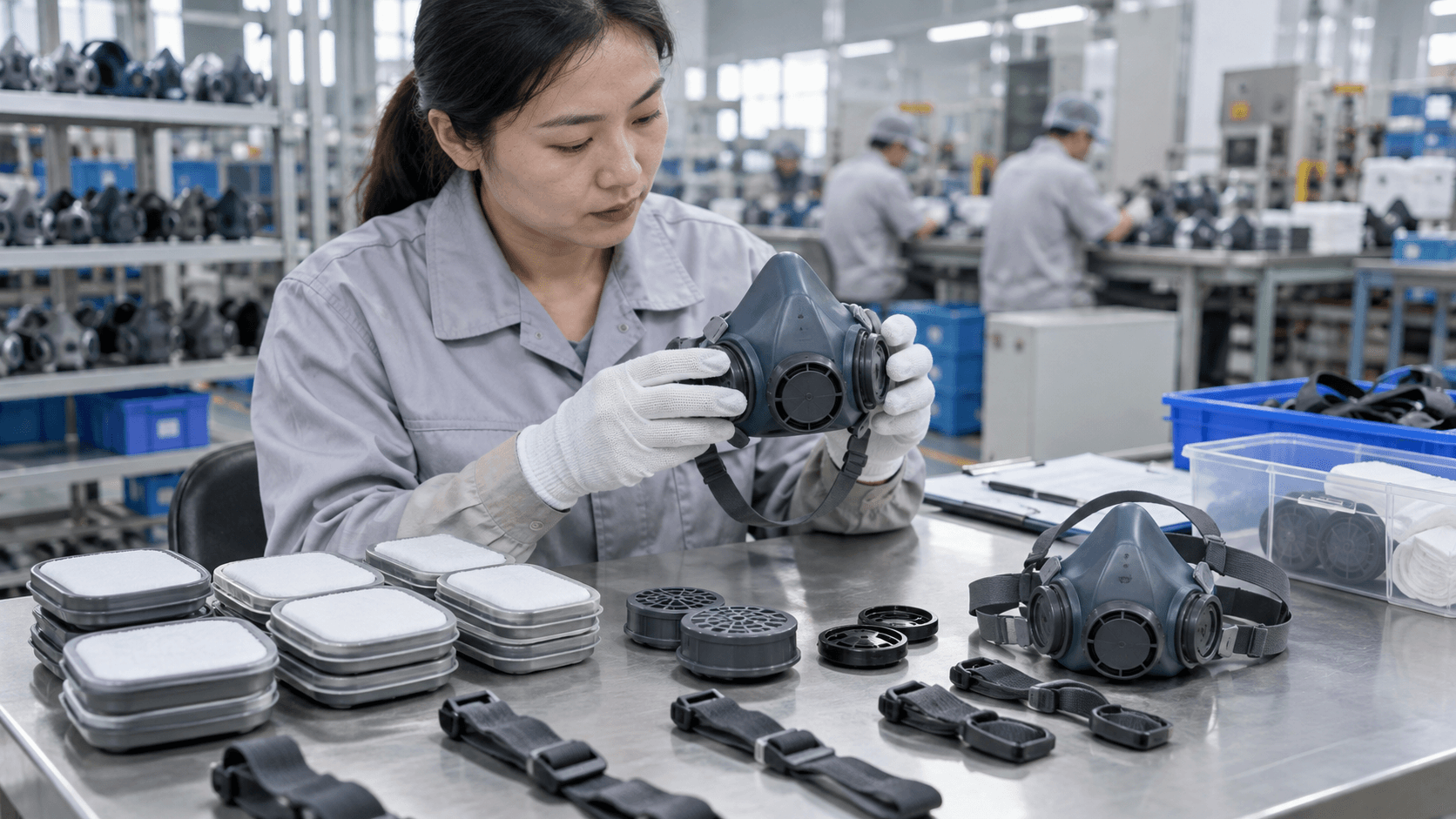
Illustrative image, not evidence of testing or a documented customer project. Procurement guidance does not replace product instructions or competent workplace assessment.
Primary topic: qualitative vs quantitative respirator fit test
Introduction
Bulk ordering a tight-fitting respirator before checking whether workers can achieve an acceptable fit can create a warehouse full of unusable stock. A respirator's filter or cartridge rating does not solve leakage around the face seal. Buyers need to understand how the employer's fit-testing program selects models and sizes, and how a change of model can trigger new approval.
This guide explains qualitative and quantitative fit-test approaches at a procurement level. It does not teach workers to perform a formal fit test or replace the written respiratory-protection program required by applicable rules.
Quick answer: A formal fit test evaluates a particular tight-fitting respirator model and size on an individual wearer using an accepted method. Qualitative testing relies on the wearer's response to a test agent; quantitative testing measures leakage numerically using appropriate equipment. A daily user seal check is a separate step, not a substitute for fit testing. Buy approved models and sizes based on the program's actual results.
Fit is separate from filter selection
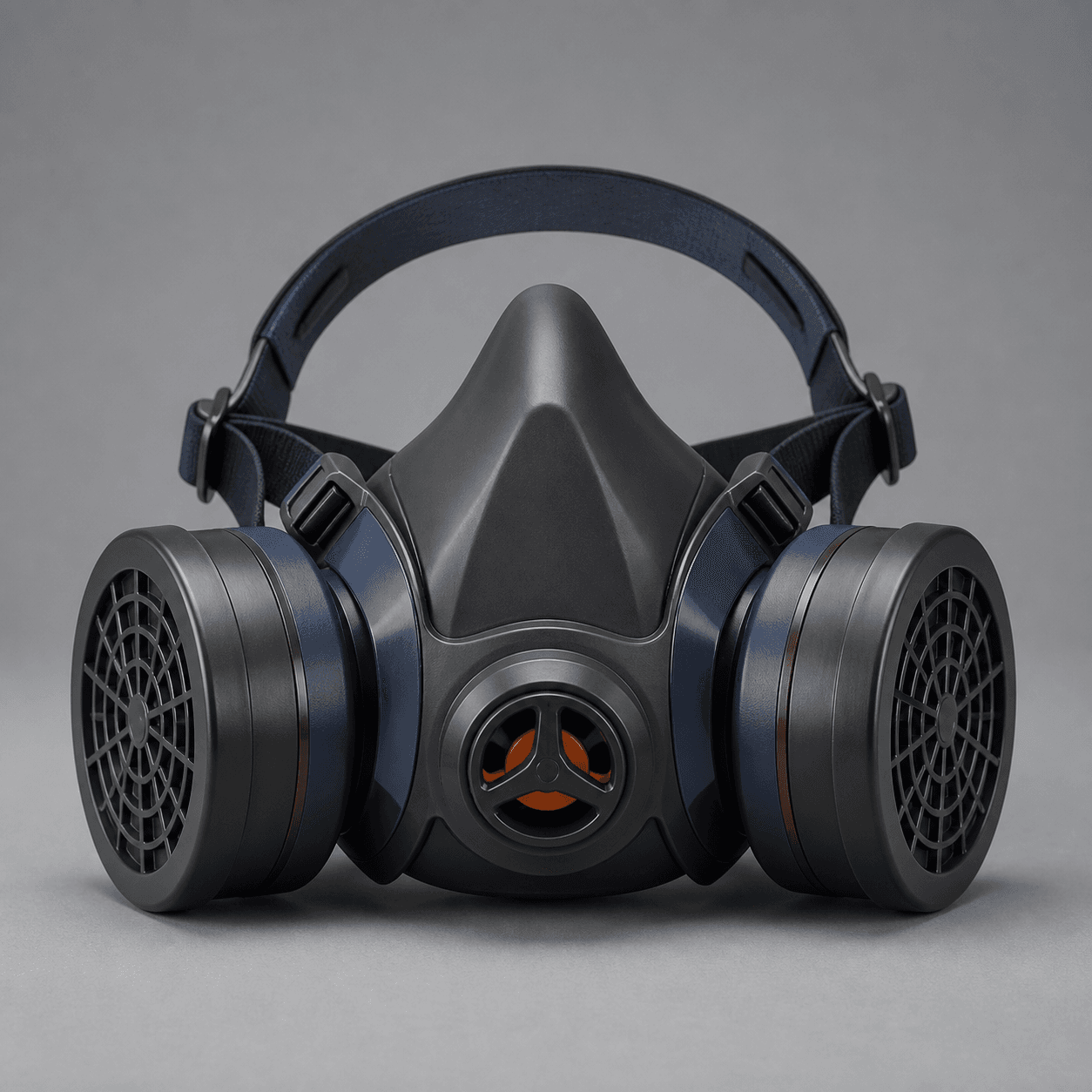
The OSHA respiratory-protection rule sets requirements for a respiratory-protection program, including fit testing where applicable. The NIOSH respirator-selection guide explains that respirator type must match the exposure. Selection asks what contaminant and environment are present; fit testing asks whether the selected tight-fitting facepiece seals adequately on a particular wearer. Neither answer replaces the other.
The purchasing team should not infer that "one size fits most" meets the site program. Even when many users pass with one model, others may need a different size or design. Maintain an approved alternative process before the first shipment is issued.
The two approaches
OSHA's fit-testing explanation distinguishes qualitative and quantitative tests and explains user seal checks. In qualitative fit testing, the wearer reports detecting a test agent under a specified protocol. Quantitative fit testing uses an instrument to measure leakage and produces a numerical fit factor. The permitted method depends on the respirator and regulatory context; the site's qualified program administrator must choose.
| Question | Qualitative fit test | Quantitative fit test |
|---|---|---|
| Basis | Wearer response to a test agent | Instrument measurement under method |
| Result | Pass/fail under protocol | Numerical fit factor and pass criterion |
| Procurement role | Confirms approved model/size for wearer | Same, with recorded numerical result |
| Not the same as | Informal smell test | Daily seal check |
Do not interpret a quantitative number as a blanket performance guarantee in every workplace. Facial hair, donning, damage, other PPE and changing facial characteristics can affect fit after the test. Training and ongoing program checks remain necessary.
Keep test results linked to exact models
For each wearer, the program should record tested manufacturer, model, facepiece size, method, test date and result in accordance with applicable rules and data-protection practices. Procurement may only need aggregated demand by approved SKU and size; it should not unnecessarily collect personal test details. A change in elastomeric facepiece, disposable respirator model or size is not an ordinary cosmetic substitution.
If an approved model becomes unavailable, ask the program administrator how to fit-test an alternative before ordering large volumes. Buying a different color or packaging variation may be harmless in some cases, but only product identity and documentation can establish equivalence. Confirm whether the replacement is the same approved facepiece or a distinct model.
Distinguish fit test from user seal check
A user seal check is performed by the wearer each time the respirator is donned, according to instructions. It helps identify obvious seal problems at that moment. It does not replace a formal fit test. A worker who passed last month still needs to don the respirator correctly today; a worker who can perform a seal check has not thereby passed a fit test.
Other PPE matters: goggles, hard hats, hoods and hearing protection can affect straps or sealing surfaces. Trial the intended combination in the program rather than testing a respirator in isolation and then adding interfering gear without review.
Mid-article CTA — Send Your Requirements: Share the approved respirator models, size mix and destination program requirements with PPEgen. We can quote exact SKUs and plan alternative stock without substituting untested facepieces. Contact us.
Plan bulk buying around fit-test outcomes
Use program-approved SKU counts by size and expected turnover to create the purchase schedule. Include replacement parts, filters and instructions where relevant. Stock an approved alternative for users who cannot fit the primary model. Avoid stockpiling a single size based on average head measurements; face seal is not simply a size-chart question.
An illustrative scenario: a buyer orders one disposable respirator model for 500 workers based on price, then discovers that the fit program approves two different models across the workforce. The avoidable problem is not a filter defect but premature SKU commitment. A controlled pilot and fit-test-informed demand schedule would have reduced the risk. This example is hypothetical, not a report of a PPEgen order.
At receipt, compare exact model, size, filter type or cartridge compatibility, packaging integrity, lot and shelf/storage instructions with the order. Quarantine a substituted facepiece until program review. Our respiratory protection category is a catalog entry, while the respirator cartridge change-schedule guide addresses a separate maintenance problem.
Plan the fit-test sequence before committing to stock
Begin with exposure-based respirator selection by the employer's program administrator. Then obtain samples of candidate approved facepieces in relevant sizes. Schedule fit testing under the method permitted for those models and the jurisdiction. Only after the results identify suitable models and sizes should procurement freeze the broad order mix. If the site has new hires or seasonal staff, reserve a way to test and source alternatives later rather than assuming the first distribution remains stable forever.
The process requires coordination. The safety team decides what type of protection is necessary. Fit-test personnel apply the protocol and maintain individual records. Procurement records approved models, sizes, supplier, lead times and quantities. The warehouse checks that actual units match approved SKUs. A gap between these groups can lead to an untested substitution despite a technically sound initial fit test.
Facepiece changes that should trigger review
A new manufacturer, model, size or sealing-surface design is not automatically interchangeable with the fit-tested product. A design revision may also require review. Ask the program administrator whether a new fit test is necessary under applicable rules and manufacturer information. Do not decide from a catalog photograph that two disposable masks are equivalent because both have headbands and the same filter class.
Other changes may affect the wearer rather than the product. Significant facial changes, dental work, facial hair in the sealing area or different associated PPE can prompt program review. Procurement cannot manage these personal details and should not store them unnecessarily, but it should maintain access to approved alternatives when the program needs one.
Make an approved-size forecast
Separate pilot samples, routine issue, replacement after damage, visitors and contingency stock. For reusable facepieces, include replacement straps, valves, filters and cleaning supplies where approved. For disposable models, include shift patterns and the site's replacement procedure. The buyer should obtain usage estimates from the respiratory program rather than adopting a universal daily consumption number.
Use exact model and size combinations as inventory keys. "Medium half-mask" is too vague if two manufacturers' products are on the shelf. Mark bins clearly and prevent a picker from substituting a visually similar size. If a supplier's pack size changes, update the unit conversion: pieces, pairs of filters and cartons may all differ. A simple spreadsheet with part number, pack quantity, approved user group and reorder point can prevent much confusion.
An illustrative stock problem: a site passes fit testing on small and medium facepieces but orders 90% medium because it was the cheapest SKU. Small-size stock runs out, and workers are told to make the medium "work." The procurement fix is to use the actual approved-size distribution and maintain a buffer for less common sizes. This is a hypothetical scenario, not a PPEgen fit-test result.
Integrate fit with the rest of the PPE ensemble
A fit test may be completed with certain glasses or a helmet, while the actual task adds a hood or face shield. The program should consider whether the final configuration interferes with the seal or straps. In a safe fitting setting, have the user put on equipment in the order required by the instructions and perform the daily seal check as trained. Do not expose workers to a contaminant to see whether the combination "works."
If a seal check fails on a particular day, the worker should follow program instructions and not enter the exposure area until the issue is resolved. An excellent historic quantitative score does not override a failed current seal check. Likewise, a successful seal check does not prove that a new facepiece has passed a formal fit test. Keeping the two steps distinct is an important training and purchasing message.
FAQ
Is a daily seal check the same as a fit test?
No. A formal fit test evaluates a specific wearer and facepiece under an accepted protocol; the wearer performs a seal check on each donning.
Is quantitative fit testing always required?
Requirements depend on respirator type, jurisdiction and program. The responsible professional should select the permitted method under applicable rules.
Can a buyer substitute a similar-looking respirator after workers passed fit testing?
Do not assume so. Check whether it is the same approved model and size; otherwise the program may need new fit testing.
Does a good filter rating compensate for a poor face seal?
No. Leakage around a tight-fitting facepiece can defeat the intended protection even if the filter itself is appropriate.
What data should procurement retain?
Approved model and size demand, supplier and lot records, instructions and substitution decisions. Personal fit-test records should remain under the employer's program and privacy controls.
Can a buyer use head measurements to assign respirator sizes?
Measurements may help organize sample sizes, but they are not a substitute for the program's fit-test result on the actual facepiece. Facial shape, sealing surface and donning vary. A worker who usually wears a medium helmet may not fit a medium respirator. Order sizing samples and plan the formal process before setting bulk quantities. If a worker does not pass with a model, provide an approved alternative through the program rather than asking them to tighten straps beyond instructions.
What should happen after a failed fit test?
The program administrator determines the next appropriate step: training, another size or another approved model, and retesting as required. Procurement can make alternatives and samples available quickly, preserve SKU identity and avoid pressuring a pass. A failed test is useful information; it prevents a poor-fitting device from being issued as though it worked. Record the commercial consequence separately from the private individual result.
How can a distributor support the fit-test program without performing it?
Provide identified samples, consistent model and size supply, current instructions and clear notice of product changes. Keep a buffer of approved alternatives where the customer requests it. Do not market a facepiece as guaranteed to pass fit testing or provide a generic certificate as a substitute for wearer-specific results. Reliable fulfillment after the program has made its decisions is the distributor's most useful contribution.
When a site asks for a "fit-test certificate" from a supplier, clarify whether it means product approval evidence or individual wearer fit-test records. The supplier can provide exact-model product documentation and samples; the employer's authorized program conducts and records wearer-specific fit testing. Mixing the two creates false confidence. A distributor should not invent individual results for workers it has never tested. This distinction is especially important in a multi-site tender where procurement and safety teams are in different countries.
For a repeat order, ask whether the facepiece model and size range are unchanged, whether wearers have been retested as required by their program and whether any added eyewear or hood affects the practical configuration. These checks preserve the reason the original model was selected rather than assuming the first purchase approval lasts forever.
How should a new site start a purchasing program?
Before issuing a broad tender, ask the respiratory-protection administrator which facepiece types are appropriate for the assessed exposure and which fit-test method is permitted. Source a controlled sample set of those exact models and sizes, then run the employer's fitting process. Use the resulting approved SKU distribution for the first bulk order and keep an alternative route for people who do not fit the primary model. Procurement should record pack units, lead times and change notifications. This order of operations may feel slower than buying one popular model immediately, but it avoids filling the storeroom with respirators the workforce cannot use.
Conclusion
Respirator procurement should follow, not outrun, the respiratory-protection program. Understand the distinct fit-test methods, keep facepiece identity stable, plan sizes from actual outcomes and reserve a route for alternatives. A daily seal check, a filter rating and a catalog photo cannot replace that process.
Final CTA — Get a Quote: Send approved respirator SKUs, size mix, required filters and order volume to info@ppegen.com. PPEgen can prepare an exact-model quotation and documentation list.
BUYER RESOURCES
Continue your PPE sourcing research.
Explore relevant PPE categories and a primary safety reference alongside this guide.Use this source alongside destination-market requirements for the exact product and application.
READY TO DISCUSS YOUR REQUIREMENT?