BUYER'S GUIDE - 3 MIN READ
Welding PPE Selection Guide for Industrial Buyers
Editorial information, sources and corrections
A B2B guide to welding PPE selection: define the process, confirm compatible head, eye, hand, garment, footwear and respiratory requirements.
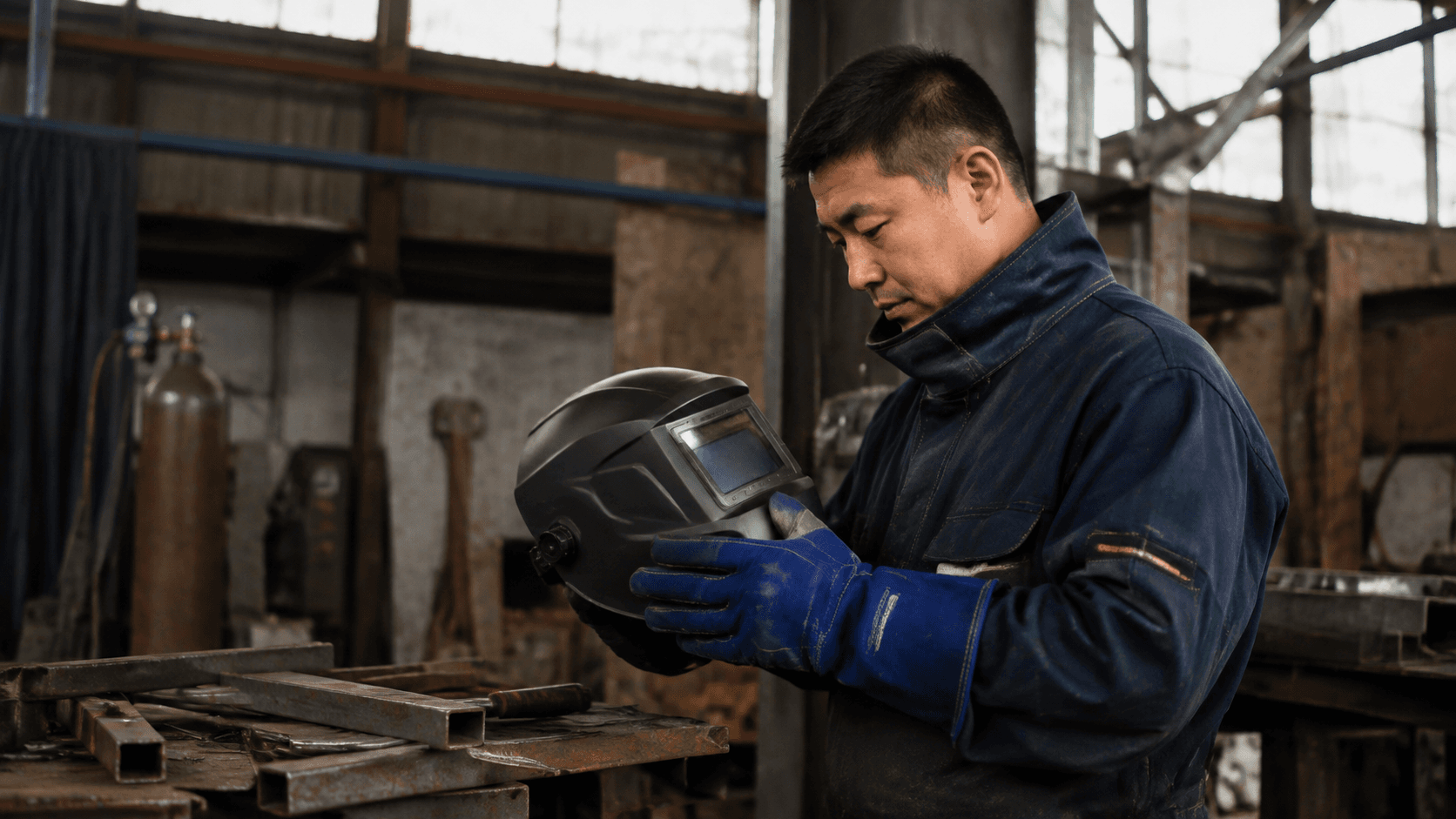
Primary topic: welding PPE selection guide
Introduction
Welding PPE should be purchased as a task-specific protective system, not as a visual “welder kit.” Arc welding, grinding, cutting, finishing and hot work can involve different radiation, spark, heat, fume, noise, particle and foot hazards. The exact process, base material, environment and employer controls determine the protection required.
Quick answer: Ask what process is used, what material is being worked, whether grinding is included, where fumes travel and what existing helmet or respirator system the customer uses. Sample the complete ensemble before bulk purchase.
OSHA identifies metal fumes, ultraviolet radiation, burns, eye damage, electrical shock, cuts and crushed toes/fingers among welding, cutting and brazing hazards. Its welding hazards and solutions page is a reliable reference for a site-specific safety discussion.
Specify each layer of protection
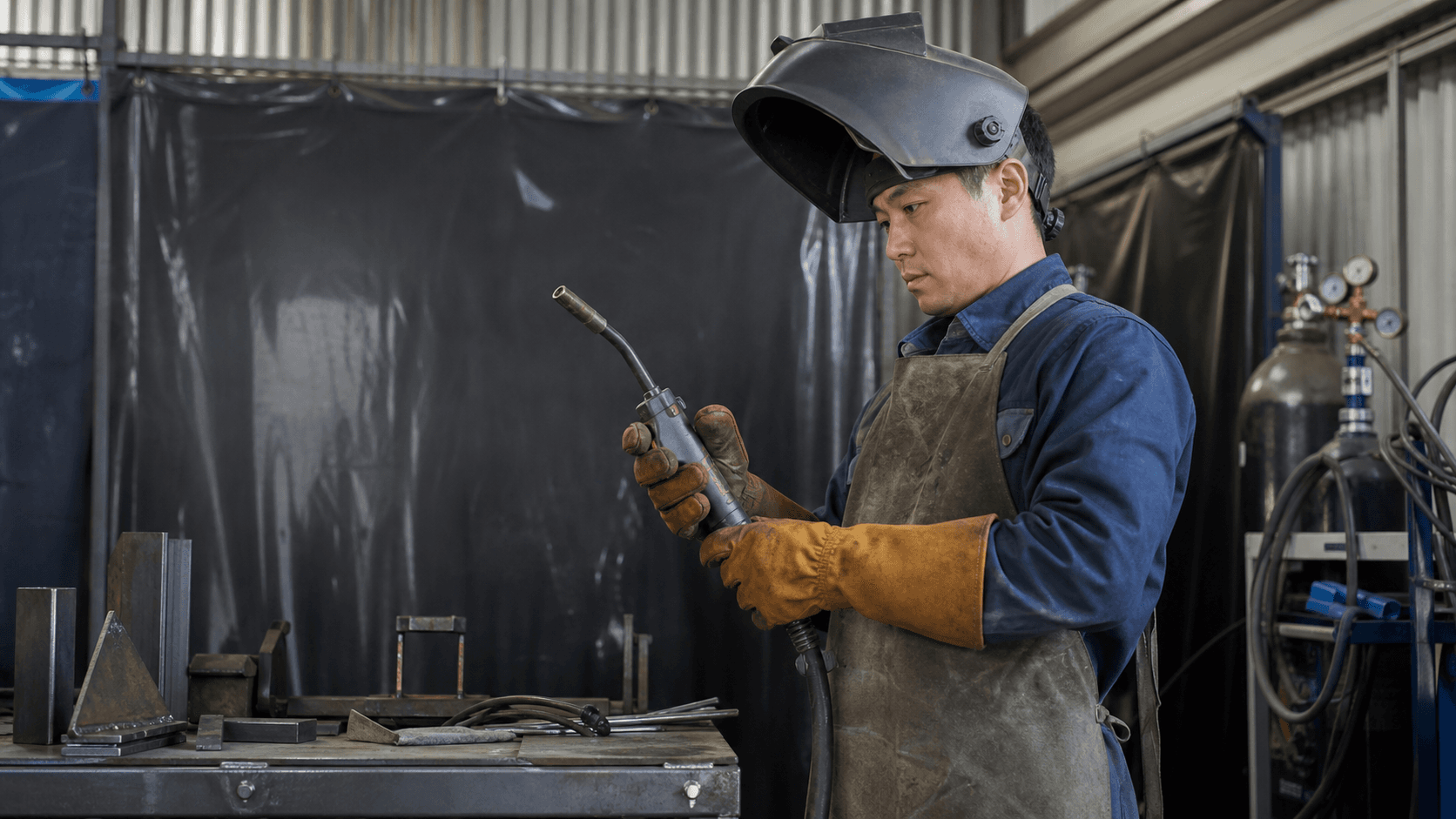
The buyer's requirement sheet should distinguish welding from adjacent tasks. A welder may need an approved helmet configuration, but a helper grinding nearby needs eye/face and hearing protection selected for that work. Gloves, sleeves, jackets and footwear should be described by task, heat exposure, mobility and cuff or closure details. Respiratory selection requires an employer-run programme and should never be guessed from an RFQ.
| Category | Questions for the buyer | Shipment-control point |
|---|---|---|
| Helmet and lenses | process, shade requirement, headgear, replacement lens | model, lens marking, spare parts |
| Gloves and sleeves | heat, sharp edges, dexterity, cuff length | material, size and seam construction |
| Workwear | flame/heat exposure, closure, branding, size range | fabric, label, artwork |
| Footwear | toe, outsole, metatarsal and heat needs | model, size ratio, label |
| Respiratory | employer's hazard assessment and programme | exact model, instructions, evidence |
Check compatibility before approval
Welding helmets, eyewear, respiratory equipment and hearing protectors can interfere with one another. The site safety team should evaluate the full combination. PPEgen can supply controlled samples and technical information, but the employer determines suitability and required protection. CDC/NIOSH states that workplace respirator use must be part of a complete respiratory protection programme; see its respirator selection guidance.
For gloves, test both heat handling and the fine hand movement required to set up equipment. Our cut-resistant glove guide explains why a protection rating is only one part of a workable hand-protection choice.
Use a controlled sample and inspection record
Before production, freeze the approved model, size range, lens or accessory configuration, garment artwork, labels and packaging. During shipment inspection, compare the physical goods to the retained sample; check stitching, closures, markings, carton count and spare-item quantities. This reduces the risk of receiving a product that is similar in appearance but different in functional details.
Need a welding PPE sample pack? Send your requirements with the process, work environment, destination market and estimated quantity.
FAQ
Can a welding helmet replace safety glasses?
The employer must determine the required eye and face protection from the specific task and hazard. Do not assume one item replaces another without checking the applicable instructions and site assessment.
What information should be on a welding PPE RFQ?
Include process, material, task duration, standards/customer requirements, other PPE worn, size curve, colour/logo, packaging, destination market and expected quantity.
How should welding PPE be inspected before shipment?
Compare a representative sample with the approved product file, then verify construction, labels, accessory count, sizes and packing. Record findings and corrective actions before release.
Conclusion
Welding PPE sourcing is strongest when the buyer documents the real process and controls every approved detail from sample to shipment. This creates better fit, fewer substitutions and clearer repeat ordering.
CTA: Request a Welding PPE Sample Plan
Contact PPEgen to structure a welding PPE RFQ around your process and customer requirements.
BUYER RESOURCES
Continue your PPE sourcing research.
Explore relevant PPE categories and a primary safety reference alongside this guide.Use this source alongside destination-market requirements for the exact product and application.
READY TO DISCUSS YOUR REQUIREMENT?