BUYER'S GUIDE - 12 MIN READ
Safety Footwear Wearer Trials: A Procurement Evaluation Guide
Editorial information, sources and corrections
Evaluate approved safety footwear with a structured wearer trial covering fit, task movement, comfort feedback and controlled procurement decisions.
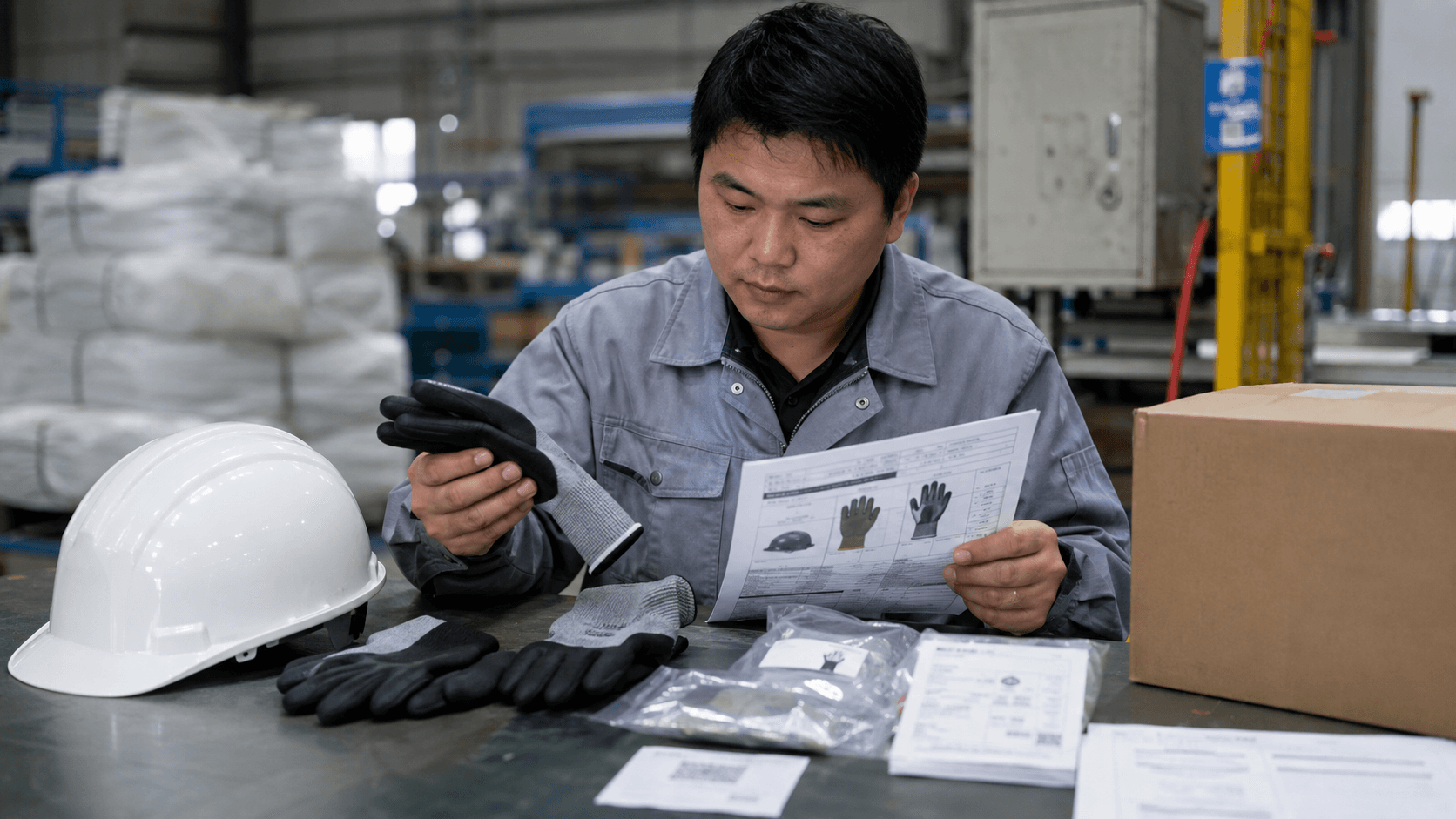
Illustrative image, not evidence of testing or a documented customer project. Procurement guidance does not replace product instructions or competent workplace assessment.
Primary topic: safety footwear wearer trial
Introduction
Quick answer: A safety footwear wearer trial evaluates fit and practical use among products already eligible for the task. Provide useful size and width options, document movement and comfort feedback, and preserve an alternative route for users who cannot achieve a suitable fit. Never use people to demonstrate impact, puncture or slip-protection limits.
A safety footwear sample can meet the buyer’s preliminary technical requirements and still fit some users poorly. Purchasing from a size conversion chart alone may miss differences in width, shape, volume, closure, and the way a boot behaves during the actual approved task.
A structured wearer trial evaluates eligible footwear with representative users, appropriate sizing support, safe task conditions, and recorded feedback. It does not test protective limits by exposing people to impact, puncture, slips, or other hazards.
This guide helps procurement teams organize the evaluation. It is not medical advice or a substitute for professional assessment of foot pain or other health concerns. Product suitability and workplace controls must be established separately.
Start with the task and protection requirements
Define the work activities, environment, and required product evidence before considering comfort preferences. Different tasks may need different footwear features, and no single boot should be assumed suitable for every setting.
Keep protective eligibility as a gate. A comfortable shoe that does not meet the relevant requirements should not enter a price-versus-comfort competition.
Use manufacturer instructions and competent workplace review to identify limitations. Do not infer chemical, electrical, thermal, or slip performance from general appearance.
The steel-toe and composite-toe comparison addresses one product choice. A wearer trial evaluates the complete selected model, not just its toe-cap material.
Obtain a useful size and width range
Ask the supplier for the model’s sizing information and available width or fit options where offered. Do not assume numerical sizes translate perfectly between brands.
Plan samples around actual users rather than ordering only a convenient middle size. Include users who have previously had fitting difficulties.
Record the socks or other approved items normally worn with the footwear. A fit check under an unrealistic configuration may not represent the working condition.
If a user requires specialist accommodation or has a health concern, involve the appropriate professional. Procurement should not diagnose the issue or solve it by casually recommending a larger size.
Separate fitting from the operational trial
First confirm that the user can achieve an acceptable fit using the manufacturer’s guidance and appropriate support. Do not send an obviously uncomfortable or unstable fit into an extended trial to see whether the user adapts.
Check the closure and intended adjustment method. Do not modify the footwear or replace components outside manufacturer-permitted arrangements.
Then conduct the approved task evaluation under safe conditions. The operational trial should explore usability, not deliberately challenge protective limits.
Record why a sample does not proceed beyond fitting. Those observations help identify whether another size, width, or model should be considered.
Define the task sequence
Break the job into relevant movements such as standing, walking on approved surfaces, using permitted stairs, or working at a stationary bench. The exact activities should come from the site.
Do not stage slip tests, drop weights on toes, step on sharp objects, or expose users to hazards as a demonstration. Standardized protective performance requires appropriate testing, not a wearer stunt.
| Evaluation area | Useful observation |
|---|---|
| Initial fit | User feedback and fitting decision |
| Closure | Ability to secure the footwear as instructed |
| Task movement | Stability and interference during approved activities |
| Comfort | Location and timing of reported discomfort |
| Condition | Visible changes under the recorded use |
| User behavior | Adjustments, removal or avoidance |
Use observations that the team can interpret consistently. “Comfortable” without task duration or context is difficult to compare.
Set reporting and stop rules
Users should know how to report discomfort, skin problems, instability, damage, or other concerns. The site’s responsible personnel should determine when to stop the trial and what follow-up is appropriate.
Do not pressure participants to tolerate pain to complete an evaluation. A trial is not a test of willingness to adapt to a purchasing preference.
Record the concern and timing without diagnosing it. Persistent symptoms should be directed to an appropriate professional.
Protect personal information. A procurement summary can use participant codes and product observations without including unnecessary medical details.
Send your safety footwear trial requirements, including the task, required evidence, size range, fit options, and sample quantities.
Keep comparisons fair
Use comparable approved tasks and record meaningful differences in conditions. A boot worn for a short office demonstration should not be compared directly with one used through a demanding shift.
Record whether the footwear is new or has undergone a manufacturer-permitted familiarization period. Do not invent a universal break-in period or assume discomfort will disappear.
If users try more than one candidate, consider order effects and learning. Keep the method practical, but acknowledge the limits of a small pilot.
Do not treat brand preference as a technical conclusion. It may influence acceptance, but the record should distinguish preference from observed fit and task performance.
Analyze results by user group and task
An average comfort score can hide important exceptions. If most users accept a model but several cannot achieve suitable fit, the purchasing plan needs an alternative route.
Review patterns by size, fit option, and task. Repeated comments at the same location may justify further fitting or product review, but do not infer a medical cause from a spreadsheet.
Keep safety eligibility separate from scoring. A mandatory requirement should not be outweighed by style or price.
If the trial is inconclusive, identify what information is missing. More targeted fitting may be more useful than simply asking everyone to repeat the same unsuitable exercise.
A hypothetical multi-site evaluation
A buyer considers two eligible safety boot models for workers at two sites. Both meet the preliminary specification review. One receives favorable feedback during stationary tasks, while the other is preferred by some users who walk more during their approved duties.
Several users cannot obtain an acceptable fit in either model’s available range. The team retains those exceptions and seeks additional approved options.
The final plan may use a core model with a controlled alternative rather than one mandatory boot for everyone. The decision record explains the task and fit basis.
This example is hypothetical. It does not establish that any particular construction is universally better for standing or walking.
Do not confuse wearer feedback with slip testing
Users can report their experience on the approved task, but a small trial cannot establish a universal slip-resistance claim. Surface, contamination, gait, and conditions can vary.
Do not deliberately create slippery conditions for participants. Obtain relevant product evidence and competent workplace advice.
Similarly, visible wear after a limited trial does not establish long-term sole durability or protection retention. Record what was observed and avoid extrapolation.
For broader PPE selection responsibilities, OSHA’s PPE assessment guidance provides primary context. The footwear trial remains a limited usability exercise.
Connect the approved model to the order
Record exact model, size and fit options, required evidence, packaging, and any approved accessories or insoles. Do not assume an aftermarket component is acceptable without relevant guidance.
Use a controlled size allocation based on the fitted users or customer order. A commercial size conversion chart should not override actual fitting results.
Check that bulk supply matches the evaluated construction and references. Changes in last, upper, sole, closure, or other relevant features may require review.
The sample approval guide helps preserve that connection.
Plan returns and fitting exchanges
A first bulk delivery may still require size exchanges. Agree the commercial process in advance, including identification, condition requirements, and how replacement sizes are obtained.
Do not confuse an exchange policy with permission to issue an unsuitable fit temporarily. The site should maintain appropriate arrangements while the issue is resolved.
Track exchange reasons. A pattern may reveal a sizing-data problem, inadequate sample coverage, or a mismatch between the trial and ordered model.
Keep customer communication clear about packaging and labeling so returned items remain identifiable.
Review after rollout
Set a practical review point after users have operated under the approved conditions. Ask about fit, task usability, condition, and supply availability.
Use the feedback to refine the range and quantity plan. Do not retain an unsuitable standard merely because the bulk order has already been placed.
Continue to follow manufacturer instructions for inspection, care, and replacement. The trial result does not grant indefinite service life.
For general maintenance context, consult HSE’s PPE maintenance guidance. Product-specific decisions still require the actual instructions and site process.
Prepare an evaluation pack for each participant
The pack should identify the footwear model, size and fit option, manufacturer instructions, approved task scope, feedback method, and contact for concerns. Keep the information concise enough to be used during normal work.
Record the sample’s starting condition and source. If the item has already been worn for a demonstration, disclose that history and determine whether it is appropriate for the planned evaluation. New and previously used samples should not be mixed without explanation.
Ask about specific observations
Instead of asking only whether the boot is comfortable, ask where pressure is felt, when adjustment is needed, whether the closure stays as intended, and whether the footwear interferes with the approved movement.
These are observations, not medical diagnoses. If a participant reports pain, skin problems, or another health concern, follow the appropriate stop and referral process. Do not ask the participant to continue so that the spreadsheet has a complete row.
Keep task exposure understandable
Record enough information to explain the evaluation: the approved activities, approximate exposure period, and relevant environmental differences. Avoid presenting two very different work patterns as a direct durability comparison.
A participant who mainly sits at a bench and another who walks between workstations may provide useful feedback, but their observations answer different questions. Group the results accordingly.
Review the role of accessories
Socks, insoles, and other items can affect fit. Record the approved configuration used in the trial and consult manufacturer guidance before changing components. Do not solve a fit issue with an unreviewed accessory and then claim the original boot configuration passed.
If an approved accessory is part of the final solution, include it in the procurement record and cost comparison. The ordered configuration should match what was evaluated.
Make the decision conditional where necessary
A reasonable conclusion may approve a model for a defined group while requesting further fitting for others. Conditional findings are useful when they clearly identify the unresolved question and next action.
Do not convert a partial approval into a universal catalogue claim. The supplier and buyer should preserve the distinction between available sizes and sizes actually evaluated.
After the first bulk issue, compare exchange requests with the trial allocation. A concentration of exchanges in one size may indicate a data-entry problem or insufficient fitting coverage. Investigate before simply increasing the stock of the next size up.
This participant pack and follow-up process turn individual comments into a usable purchasing record while keeping the limits of a small wearer trial visible.
Prepare a commercial comparison only after fitting review
When eligible footwear options have been evaluated, compare price, available sizes, exchange arrangements, packaging, lead time, and support. Keep the fit findings visible beside the commercial information.
Do not hide the cost of a necessary alternative model by presenting only the most common size's price. The procurement plan should cover the actual workforce allocation.
If a supplier offers a discount for reducing the size range, review the effect on users before considering the saving. Commercial simplicity does not justify an unsuitable fit.
Record the limits of sample availability
Sometimes a supplier cannot provide every requested size immediately. State which sizes were evaluated and which remain unreviewed. Do not extrapolate silently from the available samples.
Arrange the remaining checks or adjust the approval scope. A conditional order may be possible under the buyer's process, but the conditions should be explicit and should not result in unreviewed issue.
Check the first delivery against the trial record
Verify the model references, fit options, size allocation, instructions, and any agreed components. A familiar box design is not enough to establish that the supplied construction matches the sample.
If discrepancies appear, hold the affected stock for the appropriate review. Do not ask users to accept an unexpected model because the shipment is already on site.
Keep lessons available for repeat orders
Summarize which models and fit options worked for which approved groups, what exceptions remained, and what changes would trigger review. Preserve individual privacy while retaining useful purchasing information.
When the workforce or task changes, use that record as a starting point rather than a permanent universal answer. A trial is valuable evidence within its scope, not a guarantee that every future user will have the same experience.
This final purchasing discipline turns the wearer trial into an actionable allocation and supply plan rather than a collection of comfort comments that is forgotten after the order.
Ask participants whether the trial instructions made it clear that reporting a problem was acceptable. Reliable feedback depends on users feeling able to reject an unsuitable fit. A purchasing team that rewards only positive comments can produce a misleading approval record even when the evaluation form is carefully designed.
FAQ
How should safety shoes for work be shortlisted?
Start with the assessed task, environment and required evidence, then request the relevant model and size information. A footwear style that suits one workplace may not suit another. Keep fit and comfort evaluation within eligible choices rather than allowing a comfortable but unsuitable sample to enter the final comparison.
Are composite toe boots always a better fit than steel toe boots?
No. Fit depends on the complete model, shape, width, volume and closure, not only the toe-cap material. Compare eligible products with the actual users. A material preference should not replace protection verification, and no toe-cap label guarantees that a particular boot will accommodate every wearer.
What should safety footwear fit assessment include?
Evaluate the selected size and width, retention, space and safe task movements using the intended approved configuration. Record individual difficulties rather than relying only on a conversion chart. Persistent pain or relevant health concerns require appropriate professional advice, not a purchasing instruction to tolerate the problem.
What should footwear trial stop rules cover?
Set a route for discomfort, instability, damage or another concern that makes continued participation inappropriate. Tell participants whom to contact and how to return the sample. A trial should collect useful feedback without pressuring people to complete a fixed duration in equipment they cannot use appropriately.
Can trial feedback validate a slip-resistance claim?
No. User observations can identify concerns but do not replace relevant standardized evidence or workplace risk controls. Do not create deliberate slip tests with wearers. Review the exact footwear, floor conditions and required information through the responsible process before drawing conclusions from a small operational trial.
Conclusion
A safety footwear trial should produce a clear, limited conclusion about fit and usability for identified users and tasks. It should never become an unsafe demonstration of protective limits.
Use the findings to define the model range, size allocation, exception process, and future review.
Ask PPEgen about safety footwear sourcing with the task and fitting requirements. Browse PPE products to prepare a sample comparison.
BUYER RESOURCES
Continue your PPE sourcing research.
Explore relevant PPE categories and a primary safety reference alongside this guide.Use this source alongside destination-market requirements for the exact product and application.
READY TO DISCUSS YOUR REQUIREMENT?