Facility Managers
Connect approved PPE to site chemicals, tools and maintenance tasks.
Specify PPE for cleaning and facility maintenance from the actual substance, task and contact conditions—not from a generic chemical-resistant label.

Connect approved PPE to site chemicals, tools and maintenance tasks.
Standardize task-based products across customer locations.
Separate routine service, repair and shutdown requirements.
Build controlled cleaning and maintenance assortments.
Each category remains subject to the buyer’s workplace assessment, exact-model evidence and destination-market requirements.
Product selection depends on the identified substance, concentration, contact pattern, temperature, mechanical work and required coverage. The responsible workplace team should approve the task and exact-model evidence.
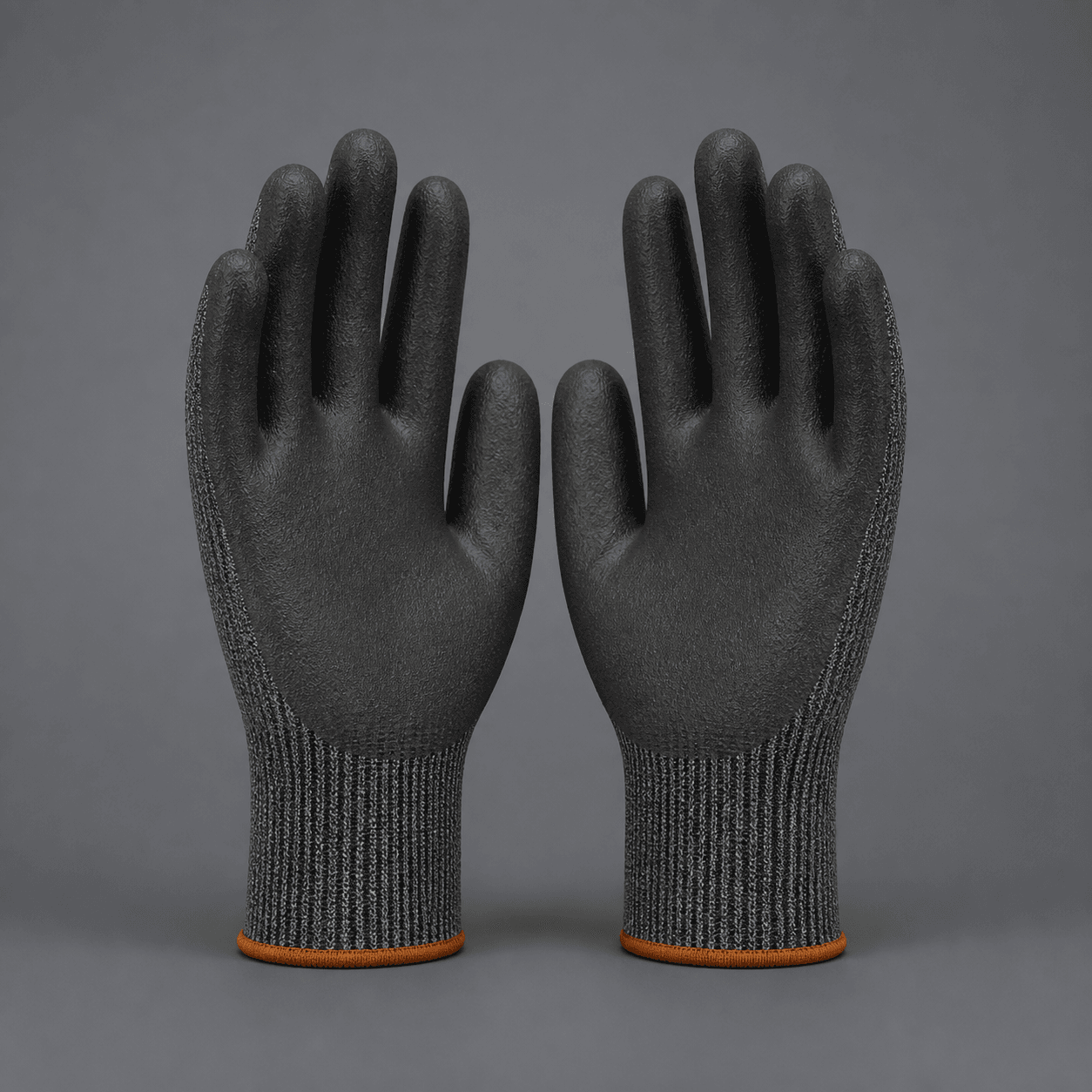
Review exact-substance compatibility, glove material, thickness, length, dexterity and disposal or cleaning rules.
Match the assessed splash or particle direction to the approved eyewear and face-protection configuration.
Specify the complete boot or shoe around contaminants, walking surface, coverage, cleaning and fit.
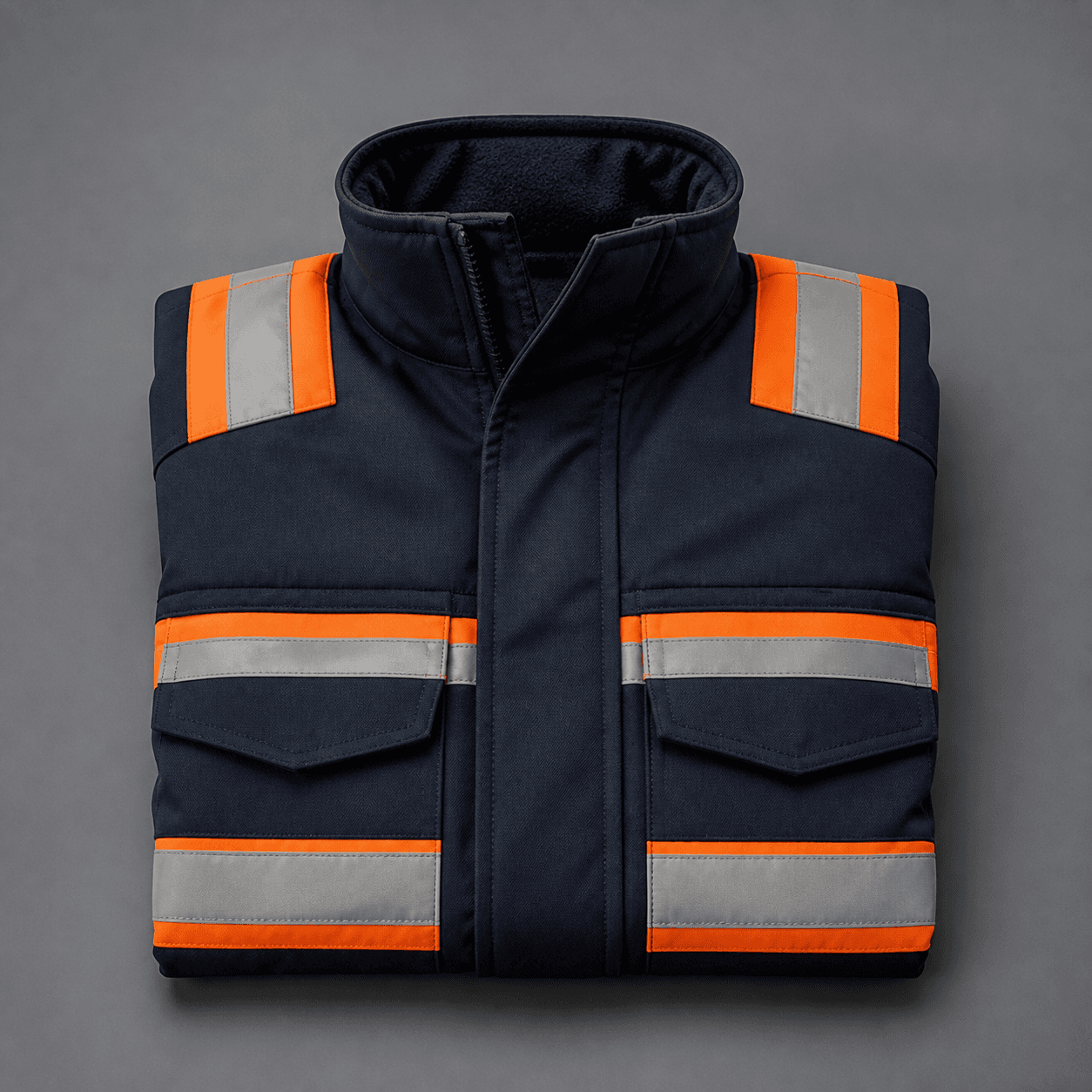
Define garment coverage, material, interfaces, care limits and replacement triggers for the task.
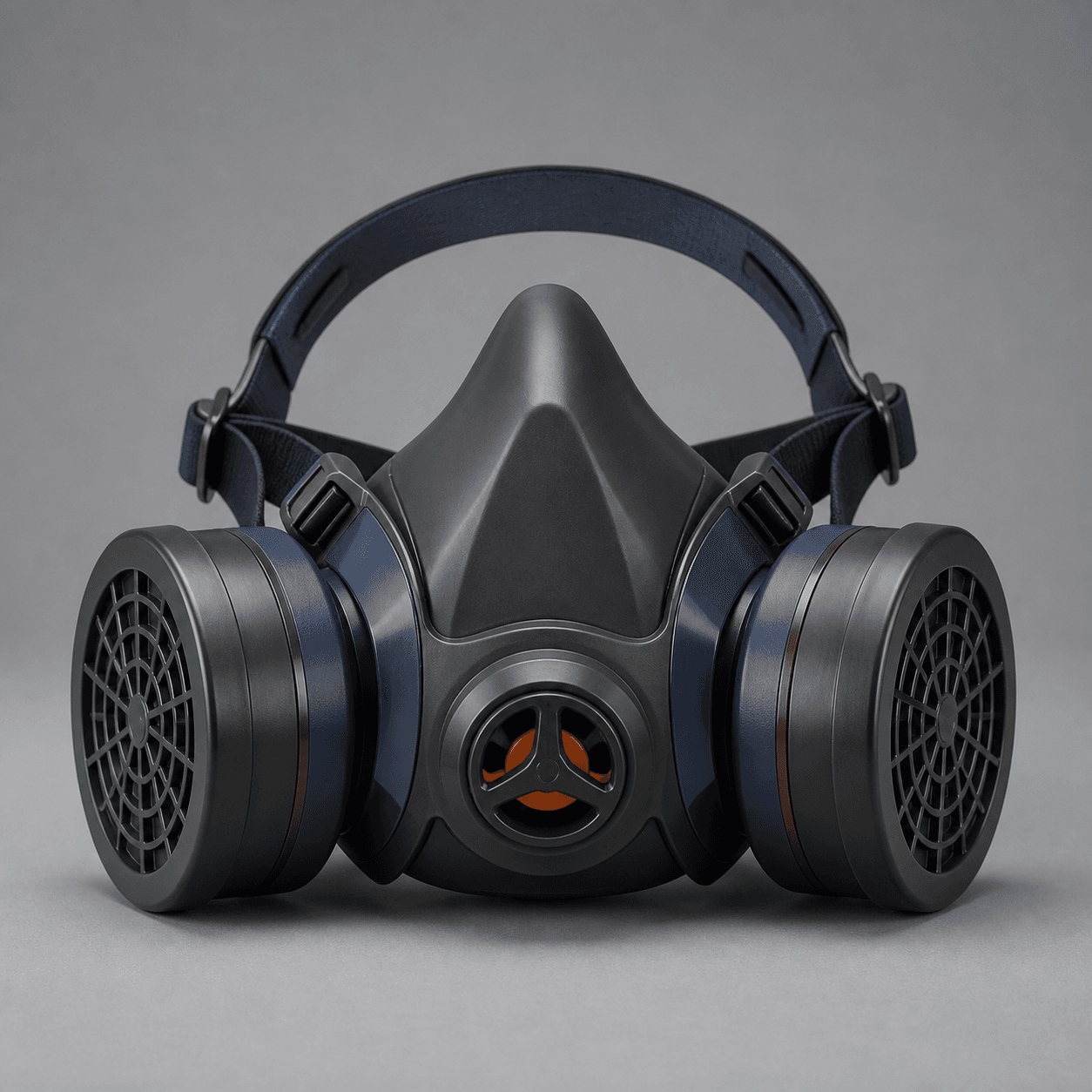
Only source an identified respirator and filter configuration within the workplace respiratory-protection program.
A clear sequence keeps the quotation, sample and finished order connected to the same requirement.
Share the product, application, destination market, quantity and order configuration.
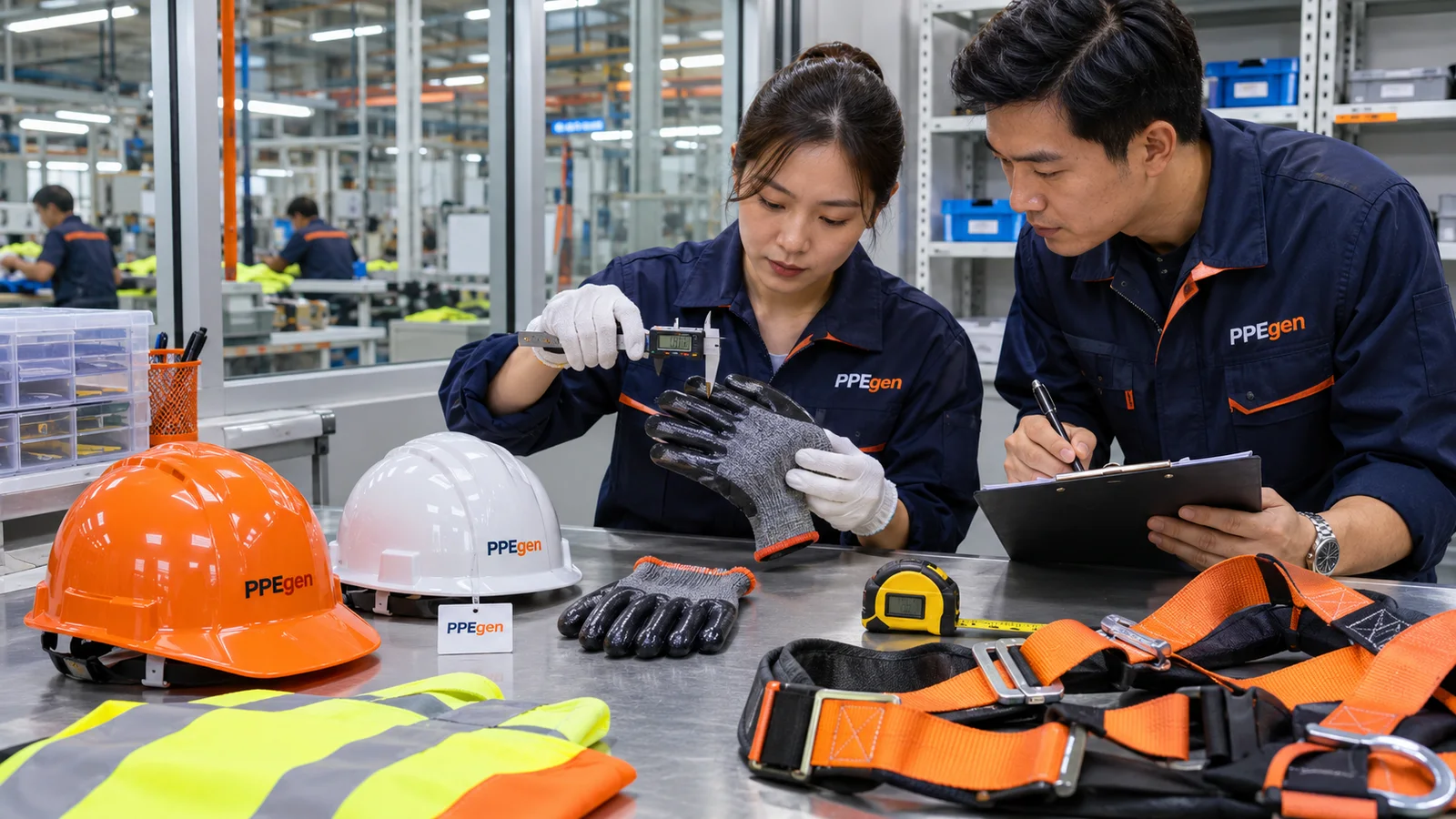
Review an identified sample and the documents relevant to the proposed model.
Confirm construction, size range, artwork, labels and packing before production.
Follow the approved specification and record any change that needs buyer review.
Compare product identity, workmanship, quantities and packing with the order file.
Reconcile cartons, marks and agreed export information before dispatch.
A material name or catalogue claim is not a universal compatibility statement. Buyers should retain the exact-model information, instructions, approved sample and change record used for the workplace decision.
Record product name, ingredients or safety data, concentration and task conditions.
Review compatibility and limitations for the finished PPE product being purchased.
Assess glove, sleeve, eyewear, footwear and respiratory interfaces together.
Follow approved cleaning, inspection, storage, disposal and replacement instructions.
Use these detailed guides to prepare product requirements, samples and order controls.
There is no universal cleaning glove. Selection depends on the exact substance or mixture, concentration, temperature, contact duration, mechanical task, required coverage and manufacturer information for the finished glove.
No. Nitrile describes a material family, not universal chemical compatibility or physical protection. Verify the exact glove against the actual substance, task and contact conditions.
The workplace assessment determines coverage from the direction and nature of the splash, droplet or particle hazard. A face shield may be used with primary eye protection where the approved task plan requires both.
Follow the exact product instructions and workplace contamination-control plan. Some products are disposable, while reusable products need defined inspection, cleaning, drying, storage and replacement rules.
Organize only approved components around defined tasks or roles. Keep sized items traceable, include a controlled contents list and maintain replacement SKUs for used or damaged components.
No. PPE supports a wider system that can include substitution, ventilation, isolation, lockout procedures, spill controls, training, supervision and emergency arrangements.
Share the task, identified substances, contact conditions, required coverage, workforce sizes, quantities and destination market. We will return with product-specific questions.