Distributors
Create a coherent branded range across selected PPE categories.
Build a controlled private-label PPE range around your market, product specification and packaging needs—from the first sample to the finished shipment.
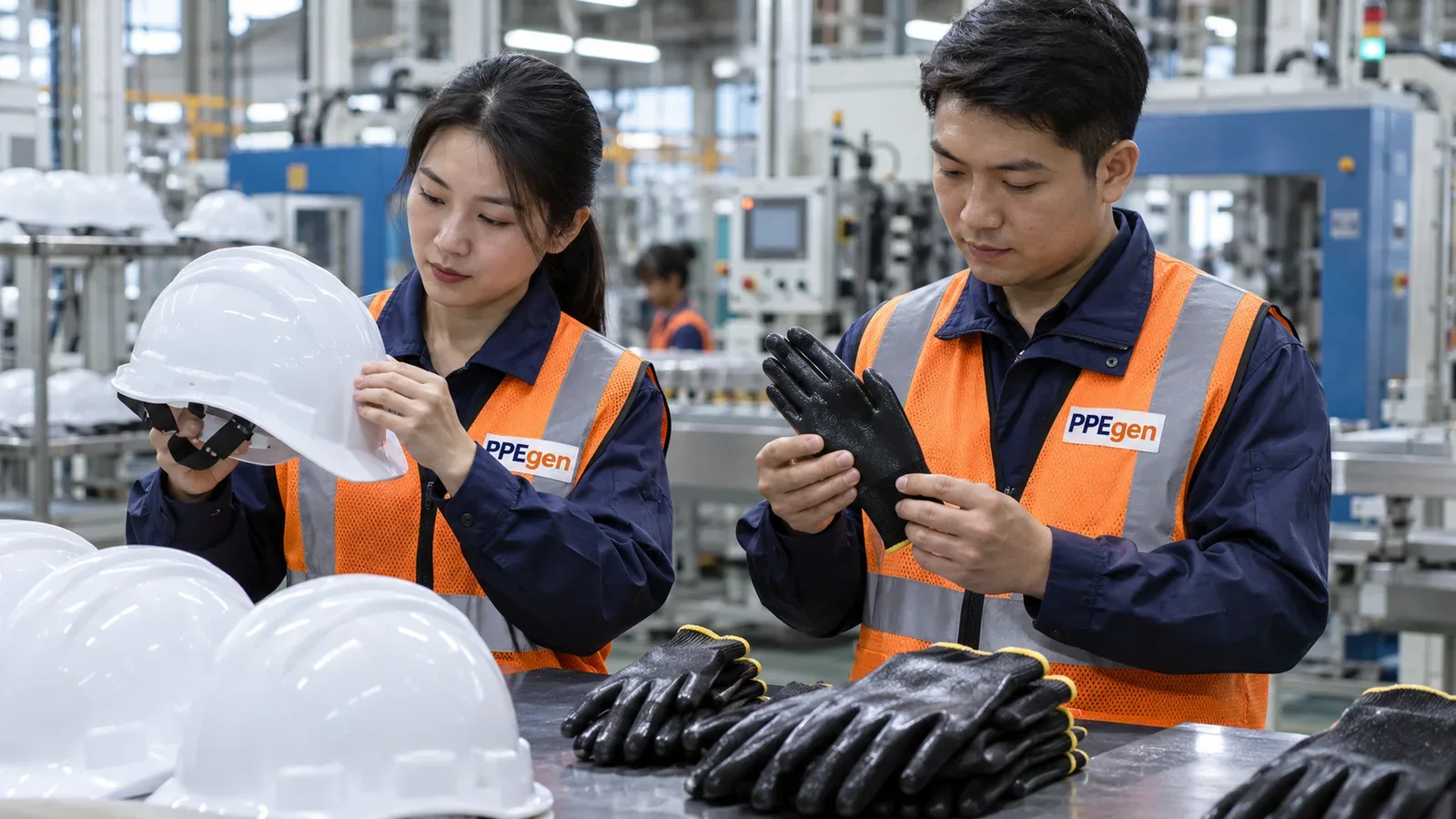
Create a coherent branded range across selected PPE categories.
Control product identity, market documents and export packing.
Specify consistent products and kits for project teams.
Coordinate task requirements, sizes and repeat supply.
Each category remains subject to the buyer’s workplace assessment, exact-model evidence and destination-market requirements.
Branding is only one part of a private-label order. A clear file also controls the product, artwork, labels, size mix, packaging and change approval.
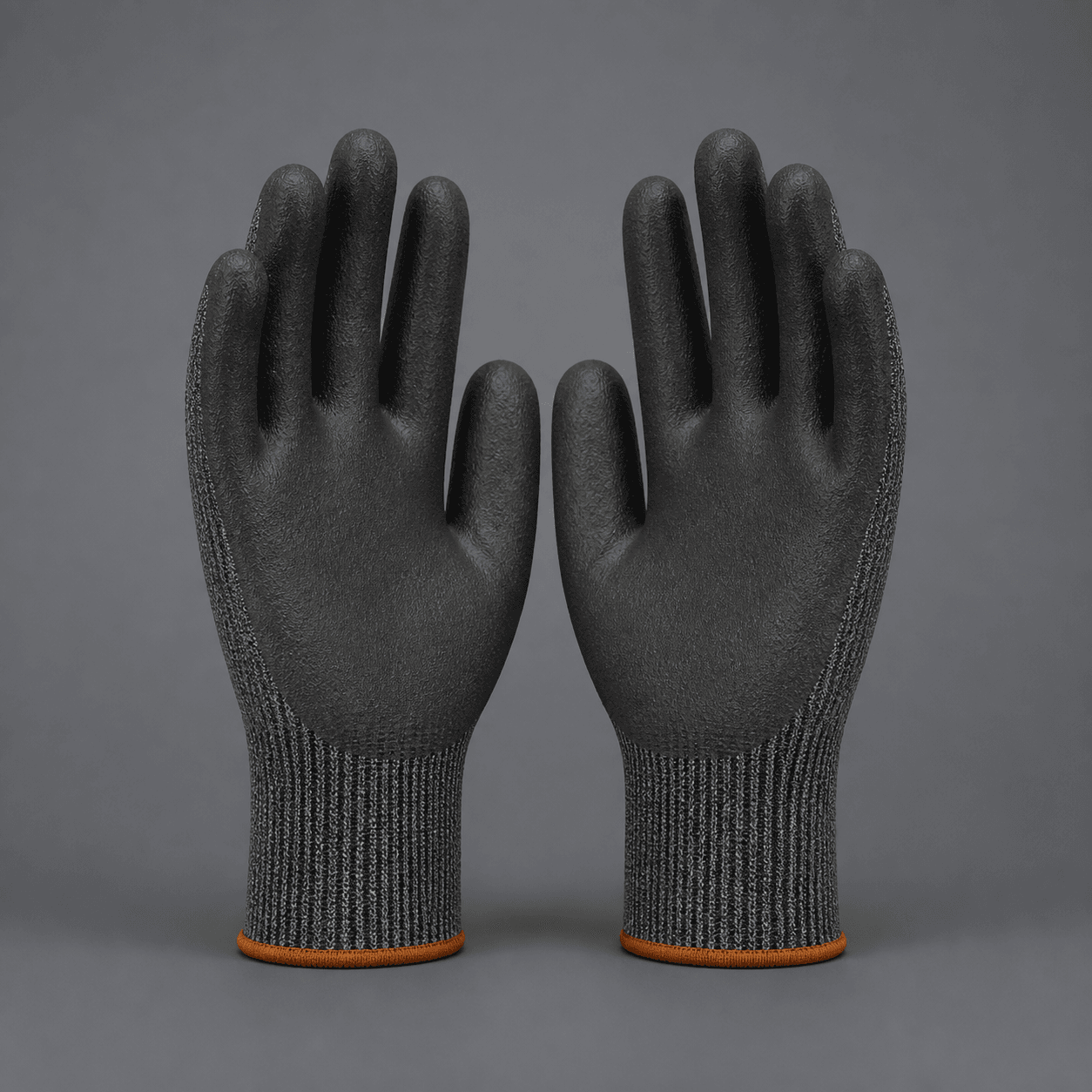
Confirm artwork, dimensions, color reference, placement and application method on an approved sample.
Prepare model, size, care and destination information without obscuring required product markings.
Define individual packs, barcodes, inserts, inner boxes and retail presentation before production.
Use market and wearer data to set the size curve rather than copying a generic ratio.
Control item identity, quantity, destination and handling information on the approved carton layout.
A clear sequence keeps the quotation, sample and finished order connected to the same requirement.
Share the product, application, destination market, quantity and order configuration.
Review an identified sample and the documents relevant to the proposed model.
Confirm construction, size range, artwork, labels and packing before production.
Follow the approved specification and record any change that needs buyer review.
Compare product identity, workmanship, quantities and packing with the order file.
Reconcile cartons, marks and agreed export information before dispatch.
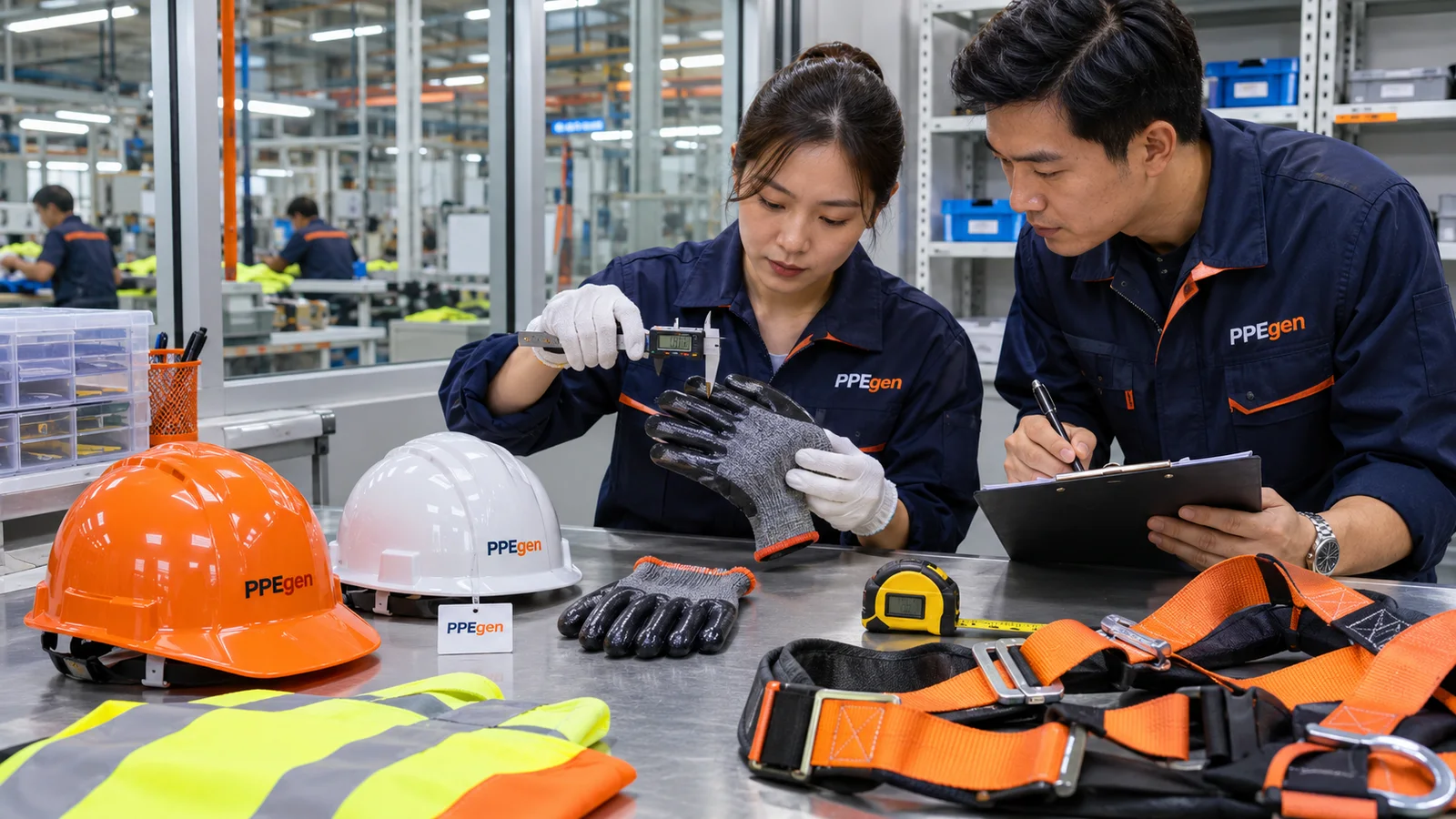
The approved sample and written order file remain the practical comparison point. Inspection should identify deviations rather than create unsupported performance claims.
Match identified components and construction with the approved product file.
Review workmanship and controlled details at agreed production stages.
Check appearance, sizing, labels, packing and agreed acceptance criteria.
Pause unapproved changes that can affect construction, fit, evidence or presentation.
Use these detailed guides to prepare product requirements, samples and order controls.
Private-label feasibility depends on the exact product construction, marking requirements, artwork method, packaging and order quantity. Start with the intended categories and destination market so each model can be reviewed separately.
Yes. The sample stage should confirm product identity, construction, fit, branding, labels and packing. Retain the approved sample and revision-controlled specification for later comparison.
Size and color mixes can be planned by product and order. The final ratio should be written into the purchase and carton plan so production and receiving teams use the same allocation.
Provide vector artwork where possible, brand colors, dimensions, placement and any market restrictions. PPEgen can return a layout for review before sample application.
Inspection can compare the finished order with the approved sample and specification, including workmanship, measurements, artwork, labels, packing counts and carton marks.
No. Required markings, instructions and market evidence depend on the exact product and destination. Buyers should identify the intended market before artwork and production approval.
Share the categories, destination market, estimated quantity, branding and packing requirements. Only name and email are required.