Distribution Centers
Control PPE by receiving, storage, picking and dispatch zones.
Plan PPE for receiving, picking, packing, loading and yard operations—without treating every warehouse task or work zone as the same exposure.

Control PPE by receiving, storage, picking and dispatch zones.
Standardize approved products across several customer programs.
Balance grip, dexterity, visibility and all-shift comfort.
Supply warehouse-focused assortments and repeat stock.
Each category remains subject to the buyer’s workplace assessment, exact-model evidence and destination-market requirements.
Receiving docks, pedestrian aisles, cold rooms, order-picking areas and yards can have different requirements. Build a zone and task matrix before selecting gloves, garments, footwear or head protection.
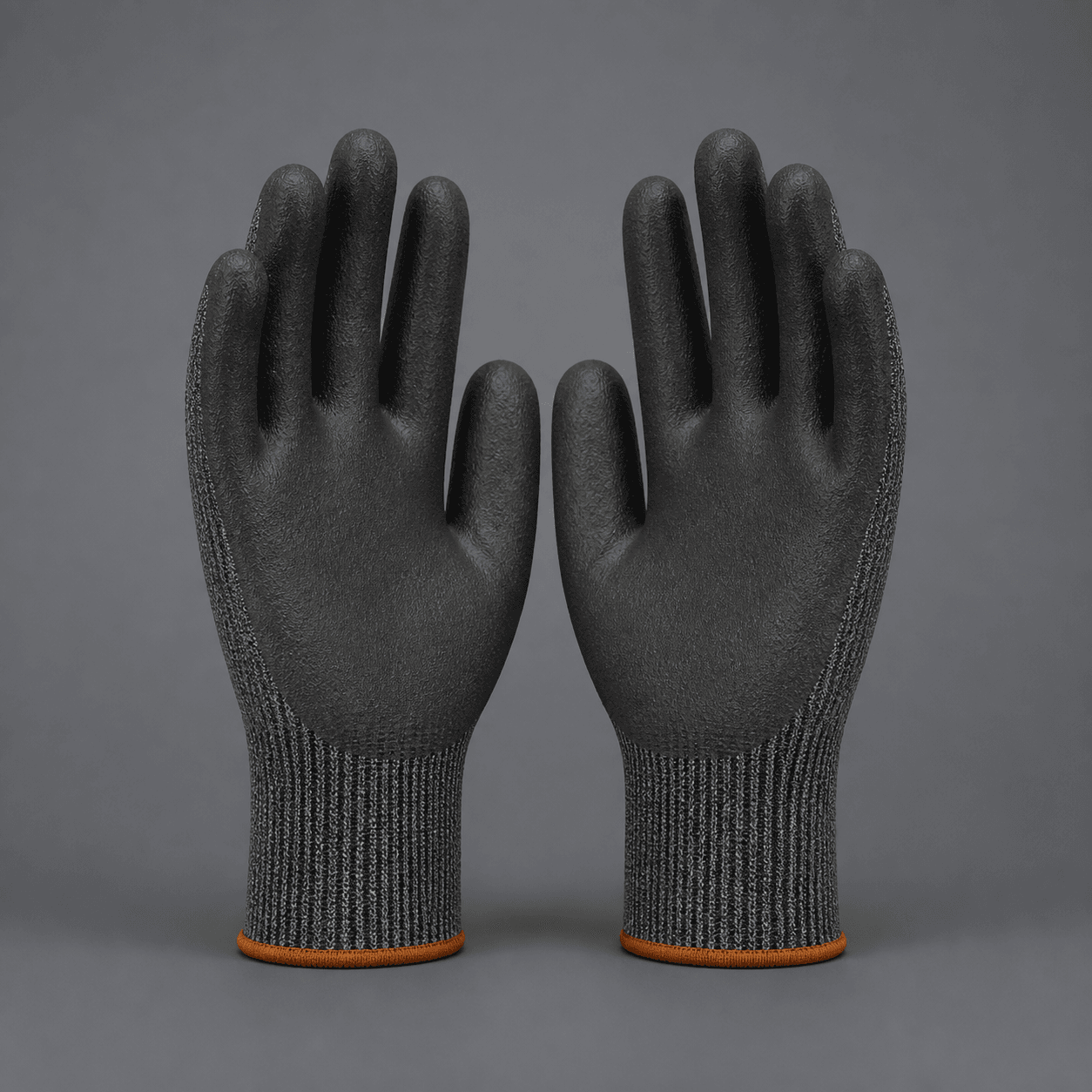
Match grip, dexterity, durability and cuff to cartons, pallets, stretch wrap and handled components.
Specify the site-required garment class, closure, size curve and layering arrangement.
Review toe, outsole, floor condition, shift length, climate and fit for the complete model.
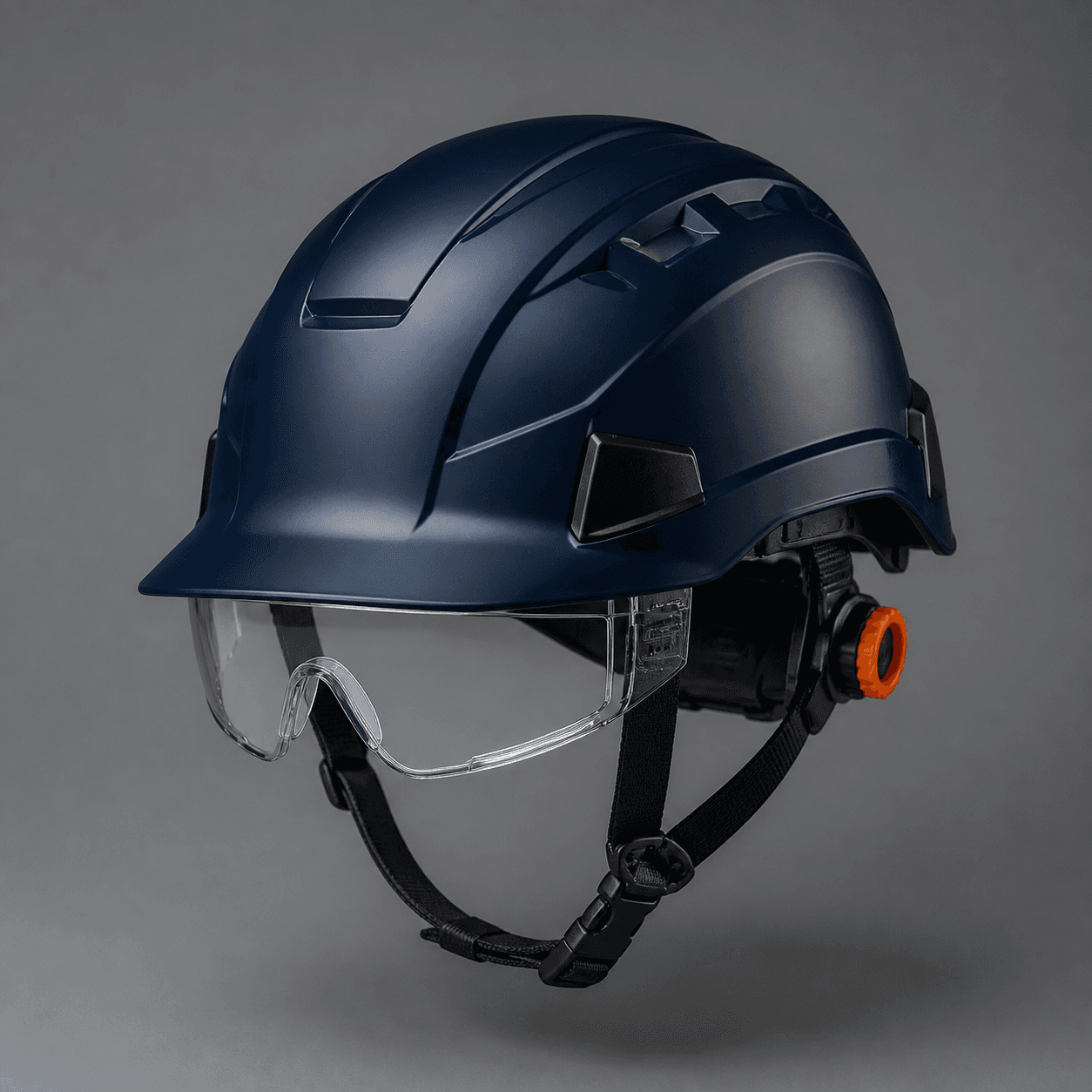
Use the site assessment to distinguish headwear requirements across loading, storage and maintenance zones.
Plan worker sizes, replacement stock, shift issue points and clear SKU identity.
A clear sequence keeps the quotation, sample and finished order connected to the same requirement.
Share the product, application, destination market, quantity and order configuration.
Review an identified sample and the documents relevant to the proposed model.
Confirm construction, size range, artwork, labels and packing before production.
Follow the approved specification and record any change that needs buyer review.
Compare product identity, workmanship, quantities and packing with the order file.
Reconcile cartons, marks and agreed export information before dispatch.

A warehouse order should preserve the approved product, size curve and packing plan so receiving teams can recognize the right SKU and replenish it without introducing unreviewed alternatives.
Map receiving, storage, picking, loading, yard and maintenance requirements separately.
Review movement, scanner use, grip and comfort with the complete approved PPE set.
Use workforce and issue data to plan garments, gloves and footwear.
Keep approved model codes, labels and pack quantities visible at issue points.
Use these detailed guides to prepare product requirements, samples and order controls.
The site determines PPE from its hazard and traffic assessment. Depending on the task and zone, the program can include gloves, high-visibility clothing, safety footwear, eye protection and head protection.
Not automatically. Carton handling, pallet repair, sharp strapping, cold storage and maintenance can create different grip, dexterity, cut, thermal or chemical considerations.
Start with the workplace traffic plan and destination-market requirements. Then define garment type, reflective layout, closure, layering, size range, branding and replacement rules for the exact model.
Yes. Approved products can be allocated by site, shift, department or worker group when the order file includes clear SKU, size, quantity and carton identification.
Check exact models, size ratios, workmanship, labels, instructions, individual packs, carton counts, shipping marks and any approved site or private-label artwork.
PPE does not replace traffic separation, barriers, marked routes, speed controls, training or supervision. It supports the wider warehouse safety system defined by the operator.
Share warehouse zones, work tasks, climate, workforce sizes, required products, quantities, packing and replenishment needs. We will return with specification questions.