Contractors
Issue consistent role-based kits to project teams.
Create role-based PPE kits with controlled components, sizes, labels and replenishment rules—without treating one generic kit as suitable for every worker or task.
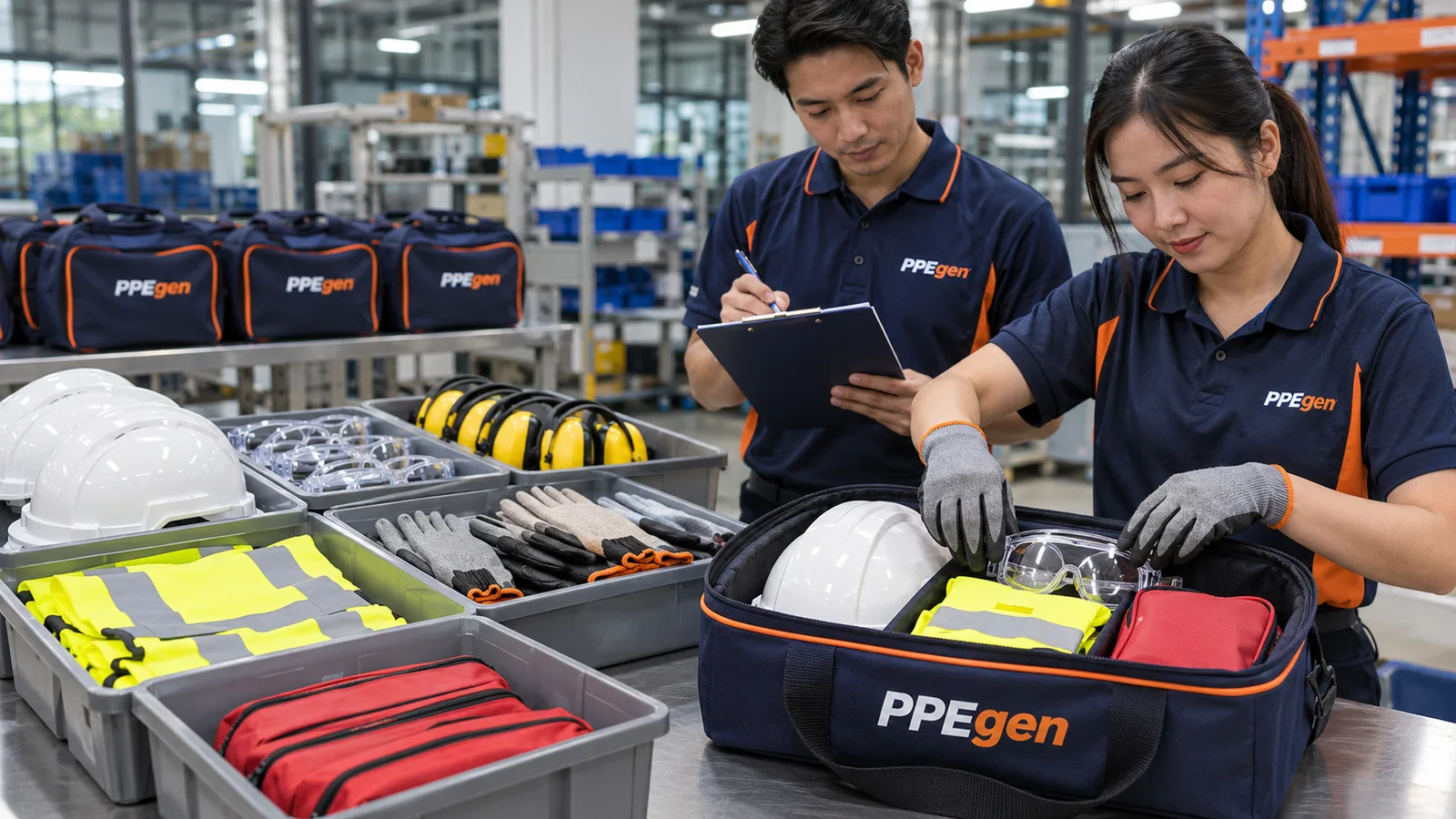
Issue consistent role-based kits to project teams.
Organize starter and replacement PPE by work area.
Prepare operator, visitor and maintenance kit variants.
Offer controlled kit SKUs with replenishment components.
Each category remains subject to the buyer’s workplace assessment, exact-model evidence and destination-market requirements.
The employer’s hazard assessment determines the PPE. The kit specification then records the approved components, size logic, packing and replacement route.
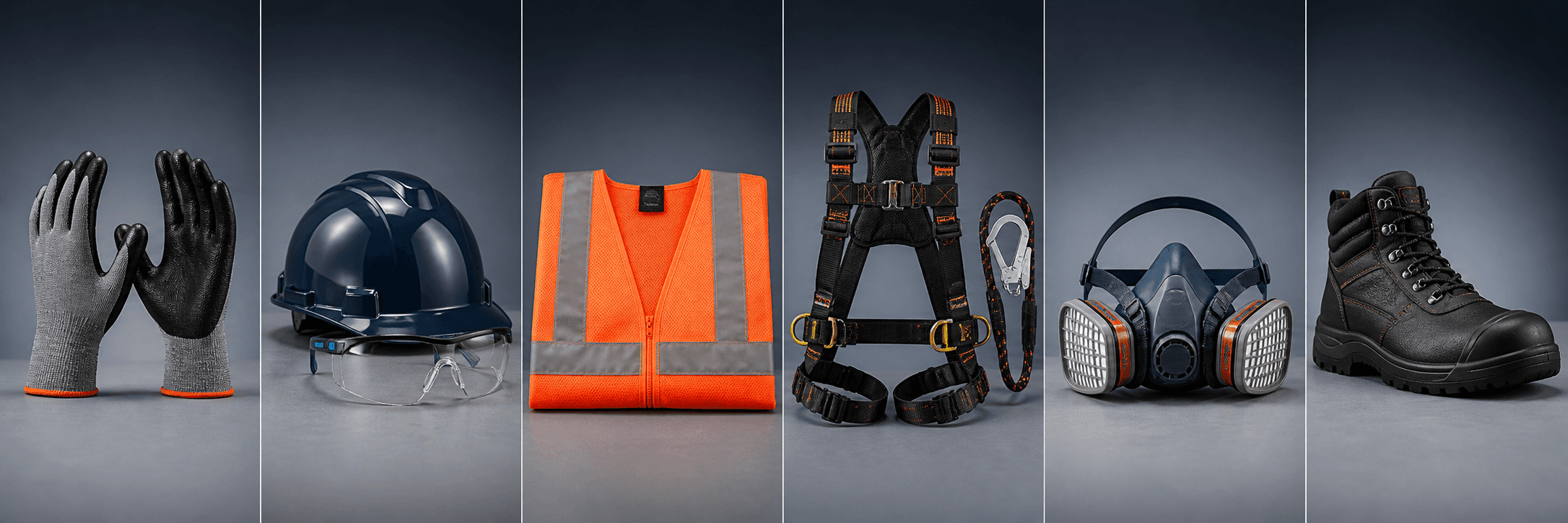
Separate visitor, operator, maintenance and contractor kits where hazards and use differ.
Keep sized gloves, garments and footwear traceable to the correct kit or issue process.
Use a clear kit code, component list and destination or role label.
Choose bags, boxes, dividers or cartons that protect components and support issue checks.
Maintain replacement SKUs so one used component does not require disposal of a complete kit.
A clear sequence keeps the quotation, sample and finished order connected to the same requirement.
Share the product, application, destination market, quantity and order configuration.
Review an identified sample and the documents relevant to the proposed model.
Confirm construction, size range, artwork, labels and packing before production.
Follow the approved specification and record any change that needs buyer review.
Compare product identity, workmanship, quantities and packing with the order file.
Reconcile cartons, marks and agreed export information before dispatch.
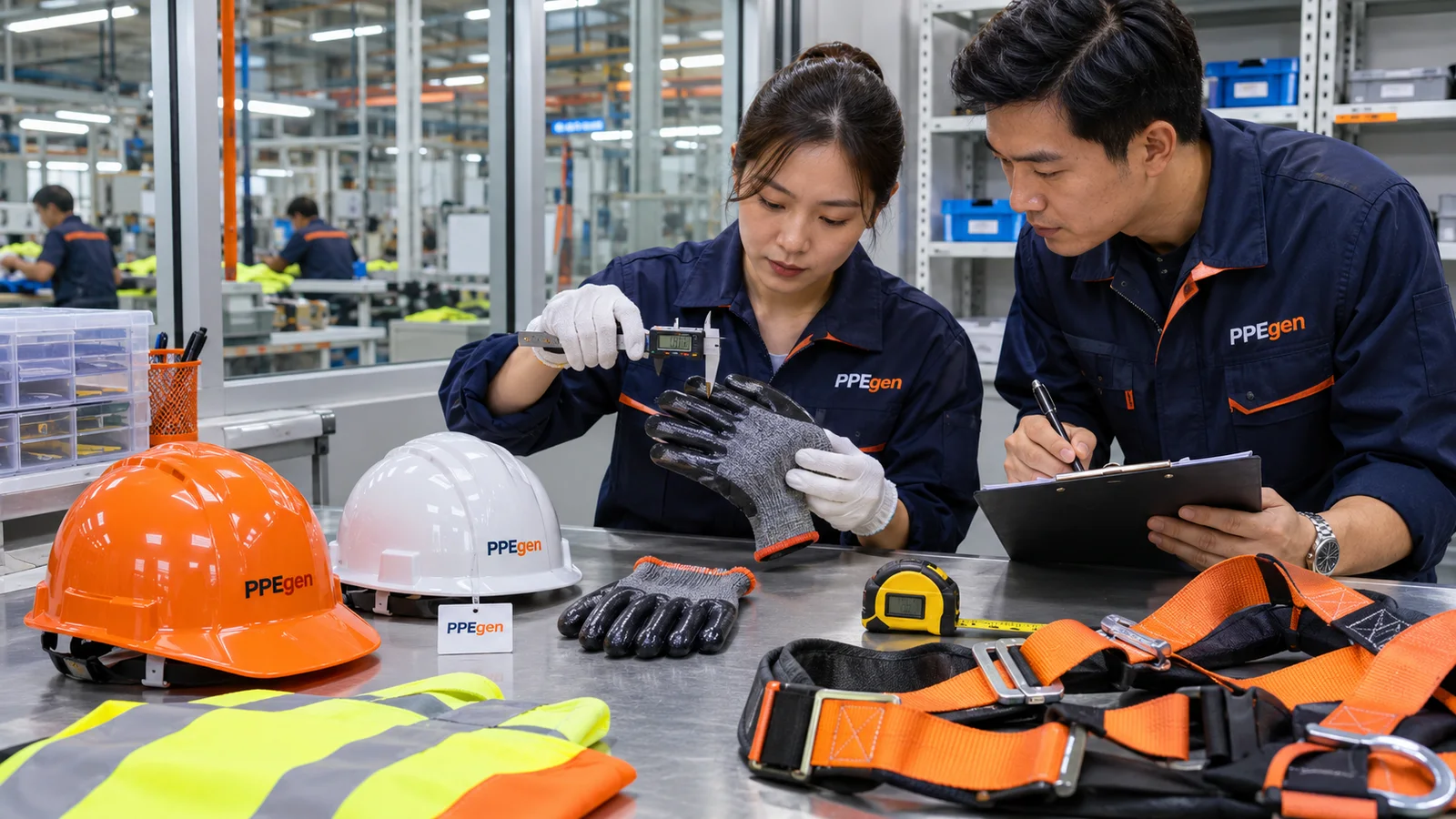
A kit inspection checks both the individual PPE components and the assembly accuracy. The outer bag cannot substitute for product-level evidence or fit.
Match every kit item with its approved model, size and quantity.
Check intended combinations where products meet at the head, face, hands or body.
Use a controlled contents list and visible kit code during assembly.
Keep individual replenishment items linked to the current approved kit revision.
Use these detailed guides to prepare product requirements, samples and order controls.
No single kit fits every hazard. The employer should define role and task requirements first; PPEgen can then organize the approved products into a controlled kit specification.
Yes. The size logic should be explicit—for example, a kit code linked to a garment size and defined glove-size allocation—so assembly and receiving remain checkable.
Branding, labels and packing can be reviewed during the sample stage, provided required product information remains visible and individual PPE is protected.
Use an approved contents list, component identification, staged assembly checks and final kit-count verification. Investigate recurring errors rather than relying only on a sealed bag.
Yes. A replenishment matrix should map each kit component to its approved SKU and current revision so replacements remain consistent.
Provide worker roles, task requirements, destination market, product list, size logic, kit quantity, branding and packing expectations.
Tell us the worker roles, product list, sizes, kit quantity, destination and packing format. We will identify the open questions before quoting.