Importers
Define evidence and inspection points before order release.
Convert the approved PPE specification into practical checkpoints before production, during manufacture and before the shipment is released.

Define evidence and inspection points before order release.
Protect catalog consistency and private-label presentation.
Tie inspection scope to the tender and delivery requirements.
Use the same approved references across supplier and receiving checks.
Each category remains subject to the buyer’s workplace assessment, exact-model evidence and destination-market requirements.
A quality plan should identify what is checked, when it is checked, how it is measured, which evidence applies and who decides the disposition of a deviation.
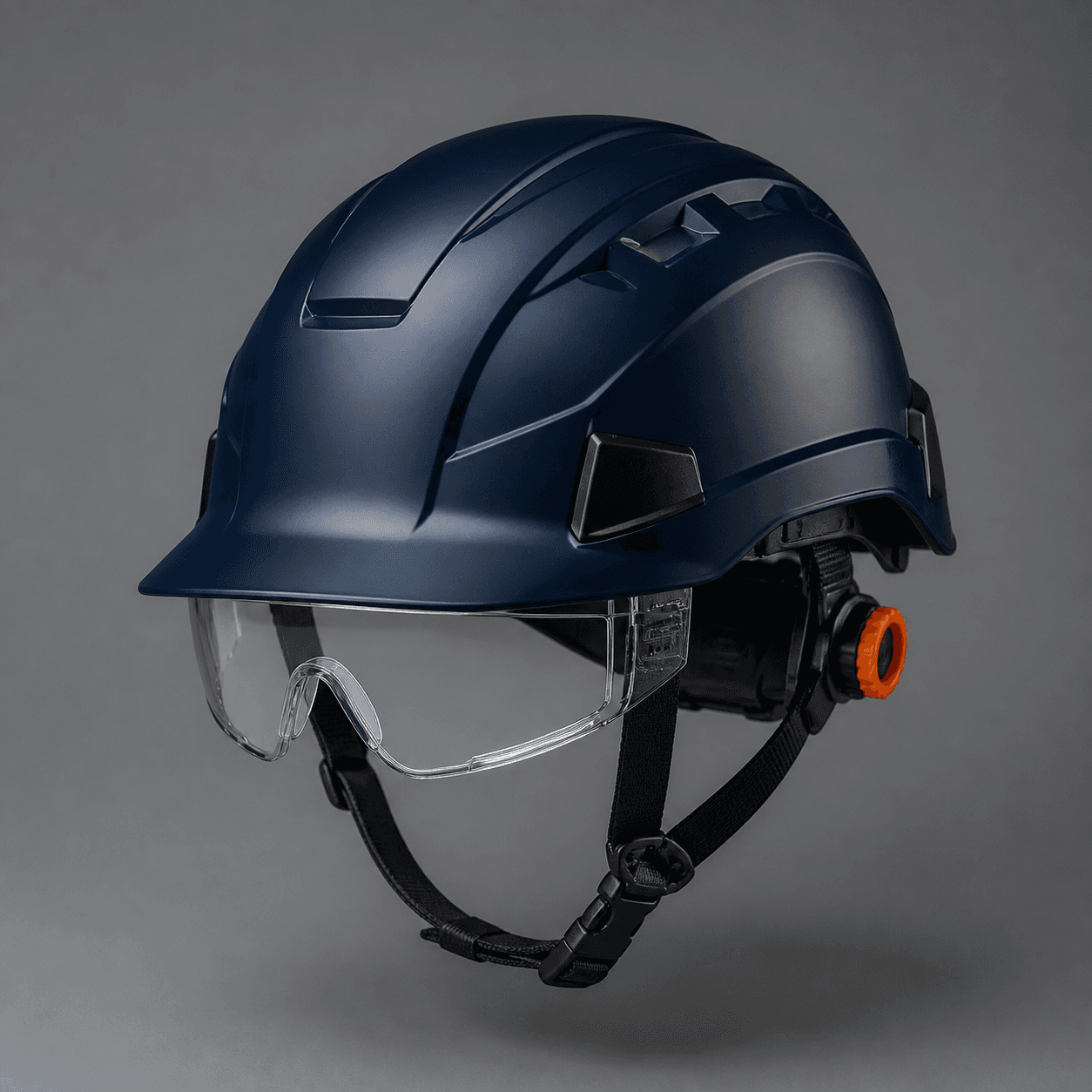
Confirm exact model, construction, sizes, markings, instructions and packing before production.
Identify the physical and document references used for bulk comparison.
Review agreed workmanship and assembly points while correction remains practical.
Sample finished goods across sizes and cartons against written acceptance criteria.
Record the issue, containment, cause, correction and evidence before release.
A clear sequence keeps the quotation, sample and finished order connected to the same requirement.
Freeze product, evidence, artwork, packing and acceptance requirements.
Identify what the sample approves and what remains document-controlled.
Place checks at stages where deviations can still be corrected.
Sample sizes, colors, lots and cartons according to the agreed risk plan.
Accept, rework, replace or reject through the buyer’s authorized decision route.
Reconcile accepted quantities, packing and documents before dispatch.
Photographs, test reports and inspection records should identify the exact model, lot or order context. A generic factory image is not proof that a shipment passed.
Use appropriate product methods, calibrated equipment where required and written sampling rules.
Agree critical, major and minor examples before inspection begins.
Cover relevant cartons, sizes, colors and production lots.
Verify containment and correction evidence before releasing affected stock.
Use these detailed guides to prepare product requirements, samples and order controls.
Before production. Inspection becomes more reliable when the exact model, approved sample, methods, tolerances, defect classes and packing are already agreed.
No. Inspection and laboratory testing answer different questions. Applicable evidence should be identified for the exact product, while shipment inspection checks the finished order against agreed criteria.
The inspection plan depends on product risk, process, order history and buyer requirements. Sampling is common, but critical controls may require different coverage.
Contain affected goods, document the issue, determine scope and cause, agree correction or disposition, and verify the result before release.
Yes. Product identity, instructions, size labels, individual packs, master cartons and shipping marks are part of the delivered order.
PPEgen can help structure checkpoints around the approved specification. The buyer should confirm any regulatory, tender or independent-inspection requirements.
Share the product, approved specification, quantity, destination and inspection concerns. We will identify the checkpoints needed for quotation and order control.