Main Contractors
Coordinate project-wide PPE requirements and issue rules.
Plan construction PPE around work tasks, project specifications and workforce fit—from gloves and helmets to high-visibility clothing, footwear and fall protection.

Coordinate project-wide PPE requirements and issue rules.
Build task-specific product lists for defined crews.
Align tenders, samples, quantities and delivery preparation.
Supply consistent construction-focused product ranges.
Each category remains subject to the buyer’s workplace assessment, exact-model evidence and destination-market requirements.
A construction product list should follow the site hazard assessment and project rules. Check combinations such as helmet, eyewear, hearing protection, garments and fall-protection equipment together.
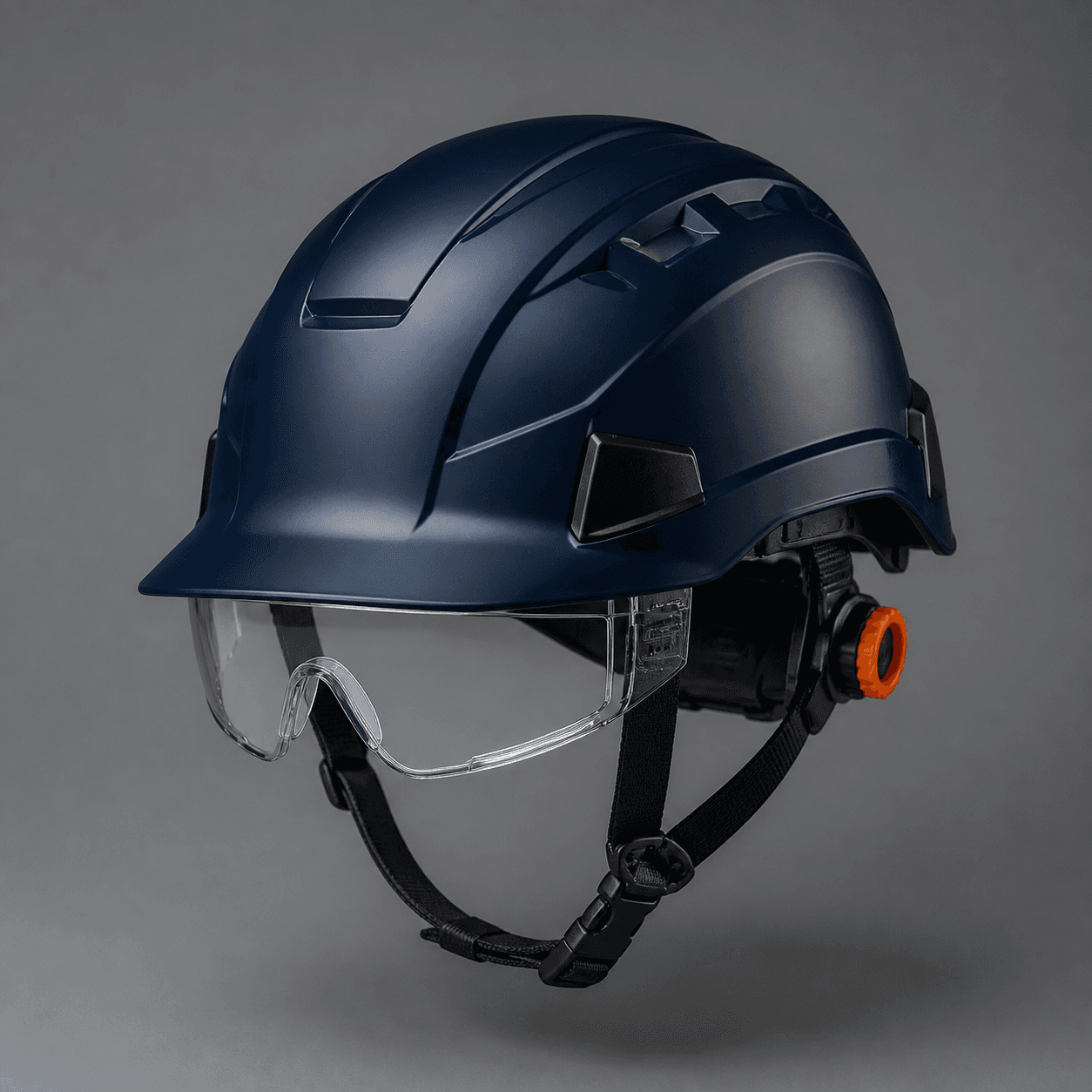
Define helmet or hard-hat classification, retention, color and approved accessory configuration.
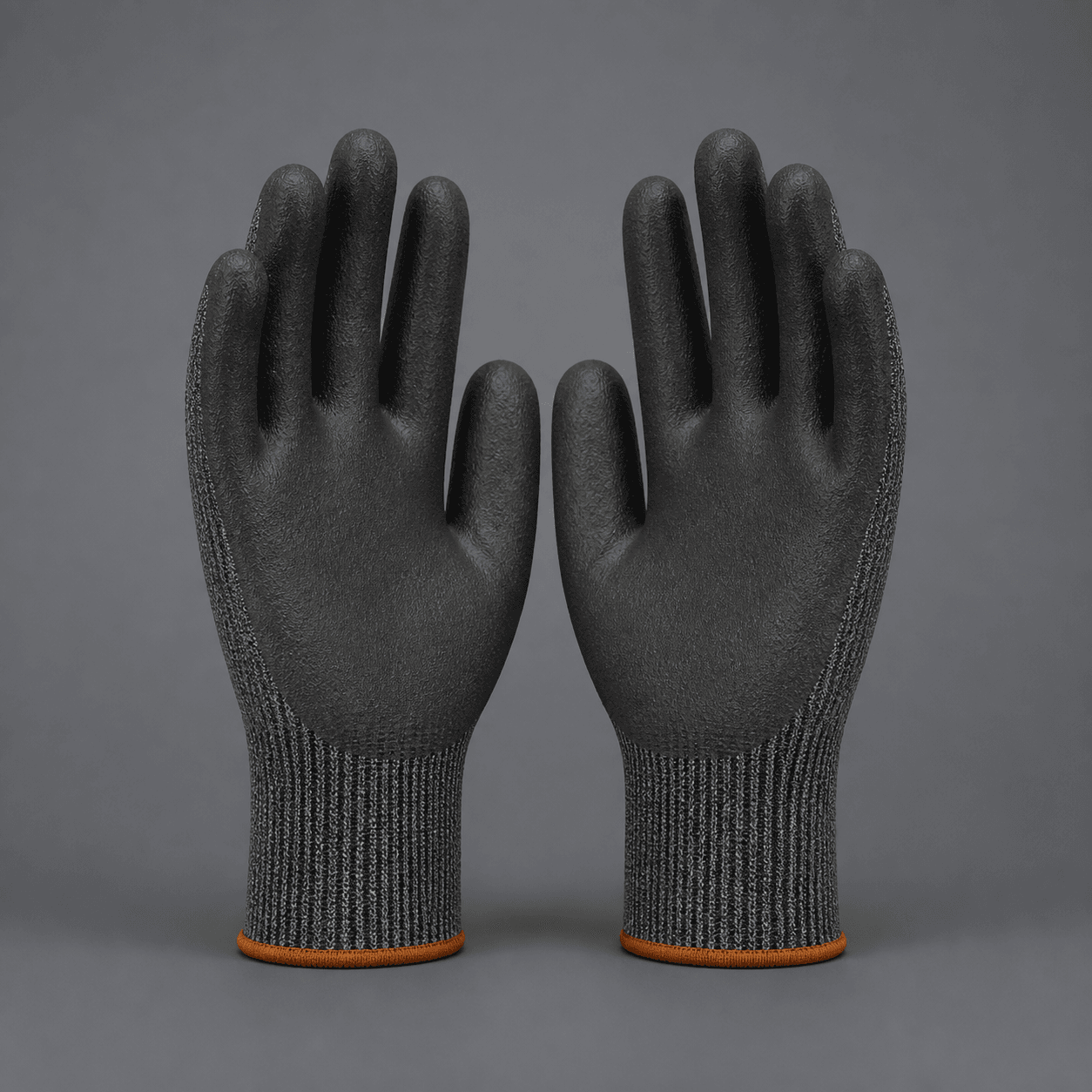
Match glove construction, grip, dexterity and cuff to the handled materials and tools.
Select the project-required class, garment type, size range and layering plan.
Specify the complete boot for impact, penetration, floor, weather and fit requirements.
Procure only within a competent system plan covering compatibility, training and rescue.
A clear sequence keeps the quotation, sample and finished order connected to the same requirement.
Share the product, application, destination market, quantity and order configuration.
Review an identified sample and the documents relevant to the proposed model.
Confirm construction, size range, artwork, labels and packing before production.
Follow the approved specification and record any change that needs buyer review.
Compare product identity, workmanship, quantities and packing with the order file.
Reconcile cartons, marks and agreed export information before dispatch.
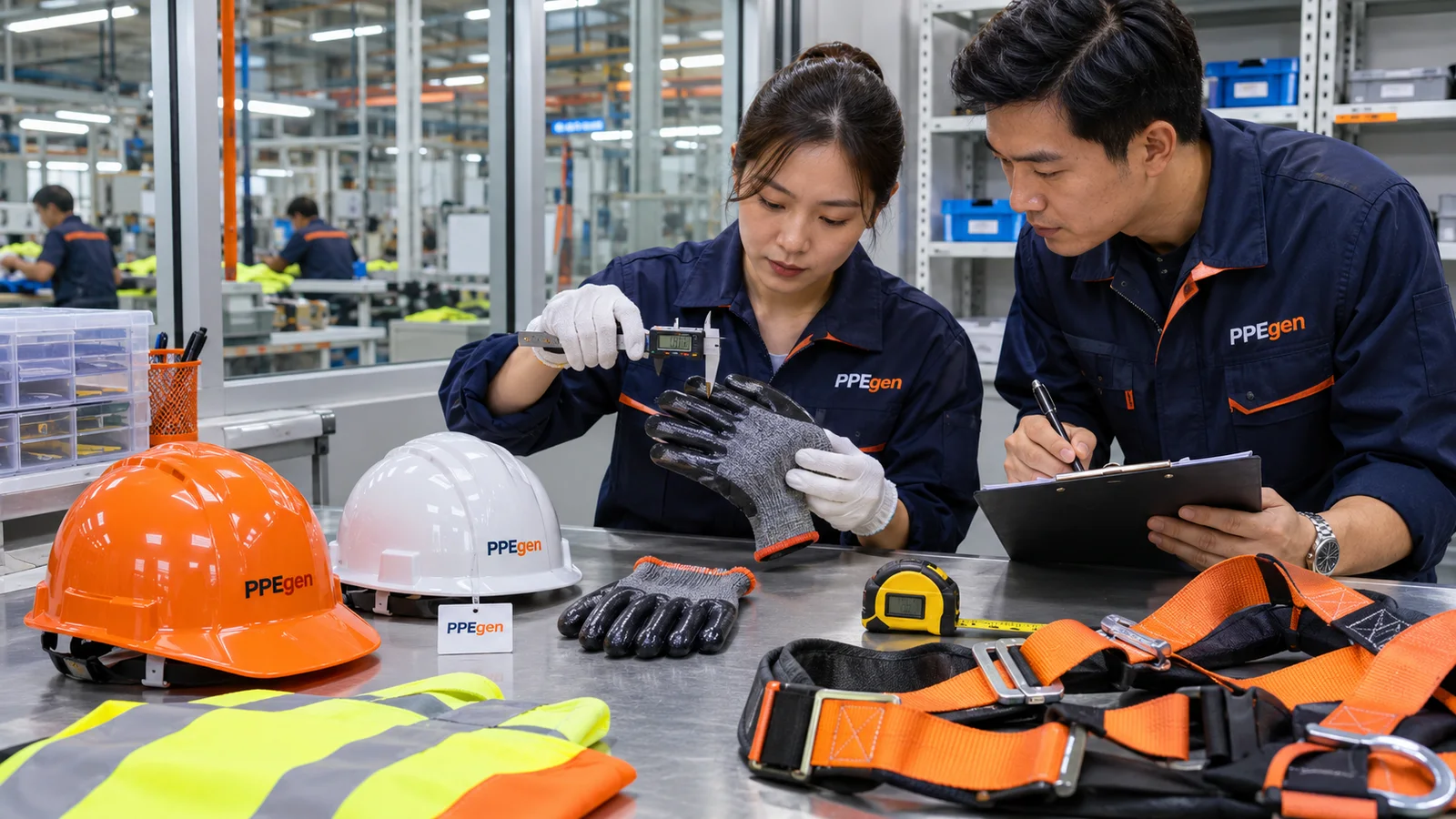
Construction sites vary. The project or employer determines the required PPE and work controls; the order file then preserves the approved models, sizes, instructions and inspection points.
Map worker roles and work areas to the approved PPE requirement.
Review the exact products worn together through safe fit and movement checks.
Plan sizes from workforce data and retain a controlled exchange reserve.
Keep replacement products linked to the current approved site list.
Use these detailed guides to prepare product requirements, samples and order controls.
The employer or project safety team determines PPE from the hazard assessment, tasks and site rules. Common categories can include head, eye, hearing, hand, foot, high-visibility and fall protection, but the exact requirement varies.
Yes. After the approved product and size requirements are defined, PPE can be organized into role, team or subcontractor packs with a controlled contents list.
Use workforce measurements and representative trials. Avoid relying only on consumer size conversions, and maintain a controlled exchange process for fit corrections.
Branding and colors can be reviewed during the sample stage, subject to product instructions, required markings and the project specification.
Check exact models, sizes, workmanship, labels, instructions, kit contents if used, packing counts, carton marks and agreed documentation.
No. PPE is one layer of control. Construction projects also require competent planning, engineering and administrative controls, training, supervision and emergency arrangements.
Share project location, tasks, required products, standards, workforce sizes, quantity, branding and delivery preparation. We will return with specification questions.