Plant Safety Teams
Translate hazard assessments into controlled product lists.
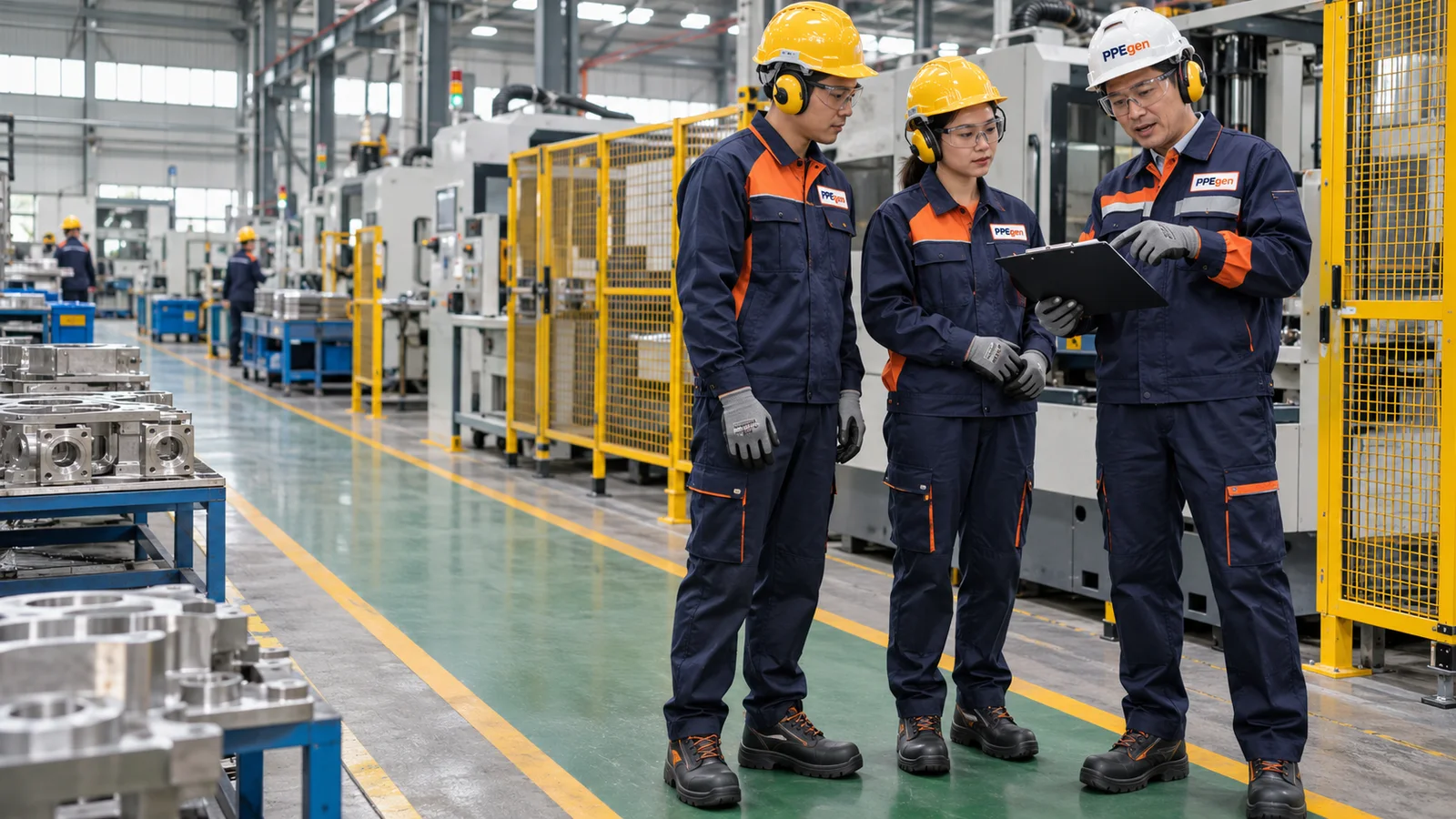
Build a controlled PPE range for production, assembly and maintenance work—connecting each approved product to the task, workforce and replenishment plan.
Translate hazard assessments into controlled product lists.
Plan task-ready PPE without disrupting movement or output.
Separate routine, shutdown and specialist maintenance needs.
Build repeatable manufacturing-focused PPE assortments.
Each category remains subject to the buyer’s workplace assessment, exact-model evidence and destination-market requirements.
Production areas can combine mechanical, noise, airborne, visibility and movement concerns. Specify each product from the site assessment and then review how the complete PPE set works together.
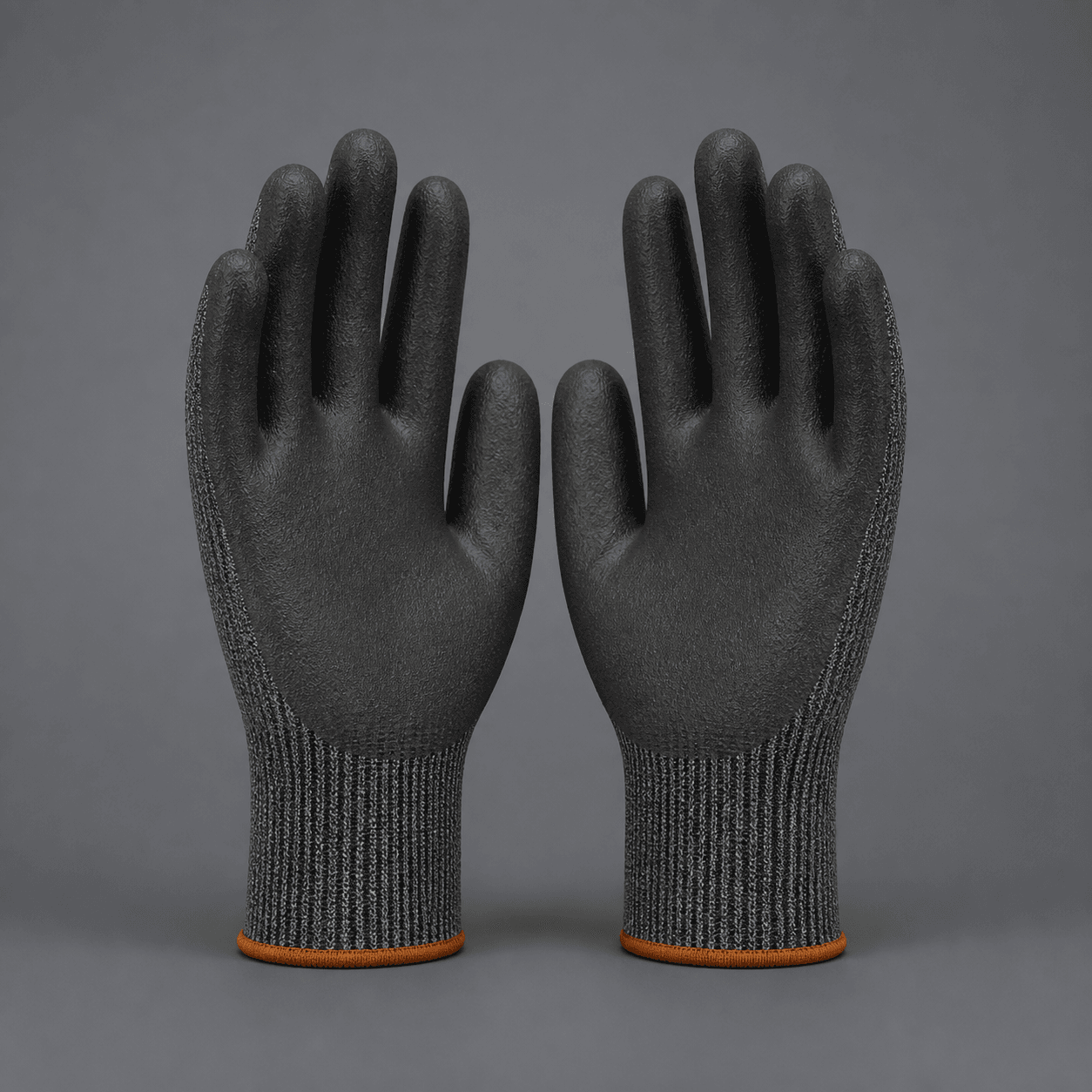
Match glove construction, coating, dexterity and cuff to handled parts, tools and approved task limits.
Review coverage, lens option and compatibility with hearing, head and respiratory protection.
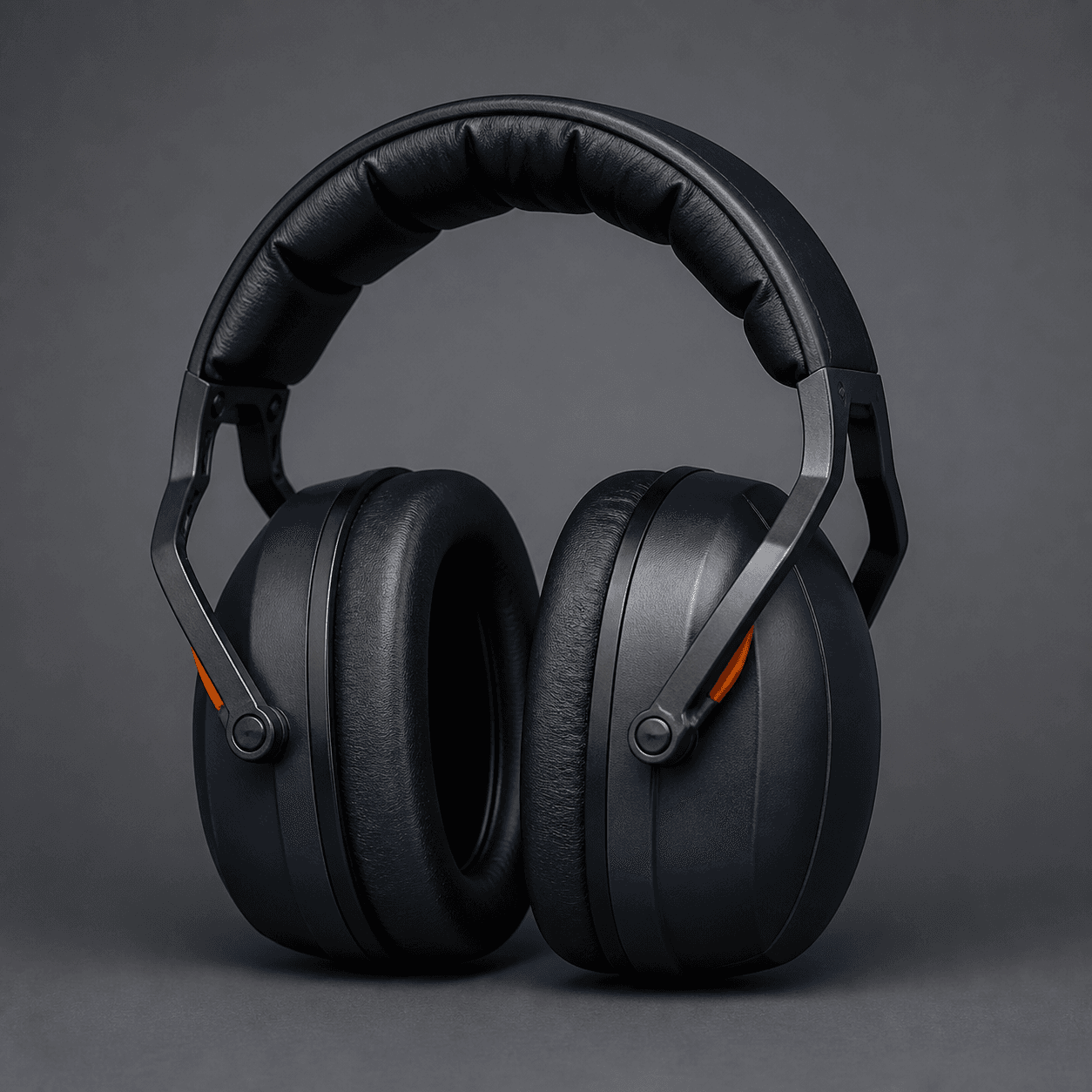
Source the approved protector around measured noise, fit, hygiene and communication needs.
Specify the complete footwear model around site hazards, walking surfaces, contaminants and fit.
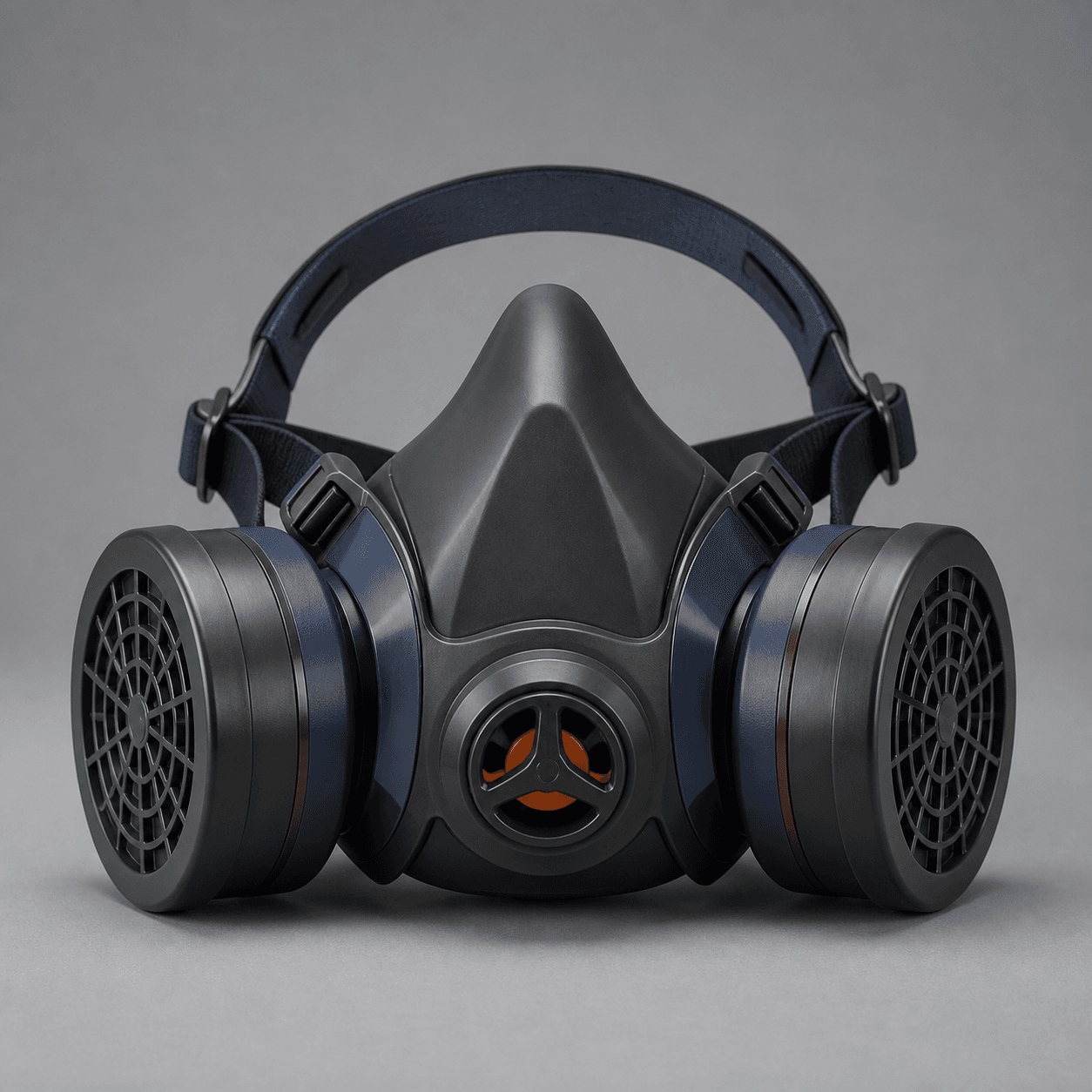
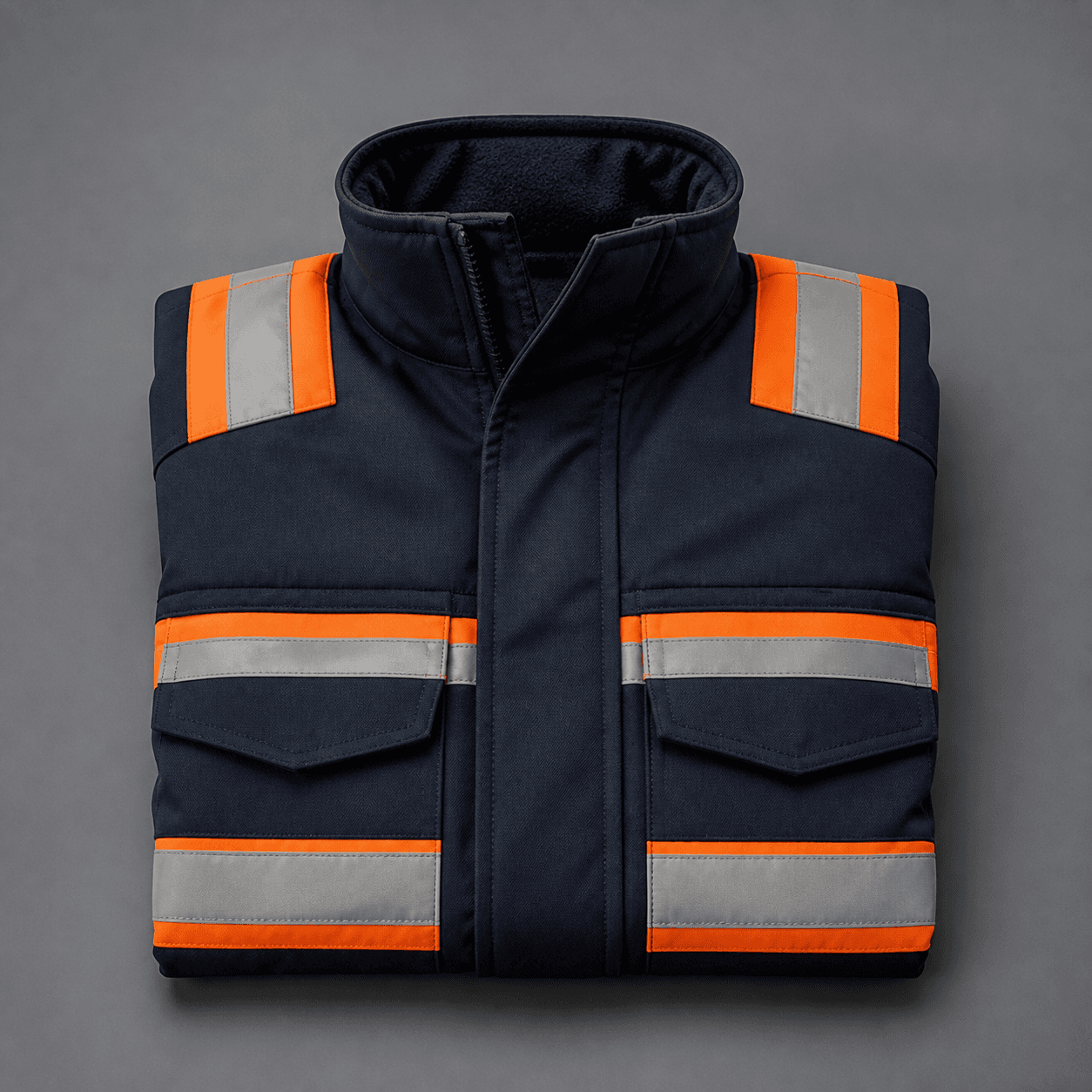
Keep garments and respiratory configurations connected to the assessed task and exact product evidence.
A clear sequence keeps the quotation, sample and finished order connected to the same requirement.
Share the product, application, destination market, quantity and order configuration.
Review an identified sample and the documents relevant to the proposed model.
Confirm construction, size range, artwork, labels and packing before production.
Follow the approved specification and record any change that needs buyer review.
Compare product identity, workmanship, quantities and packing with the order file.
Reconcile cartons, marks and agreed export information before dispatch.
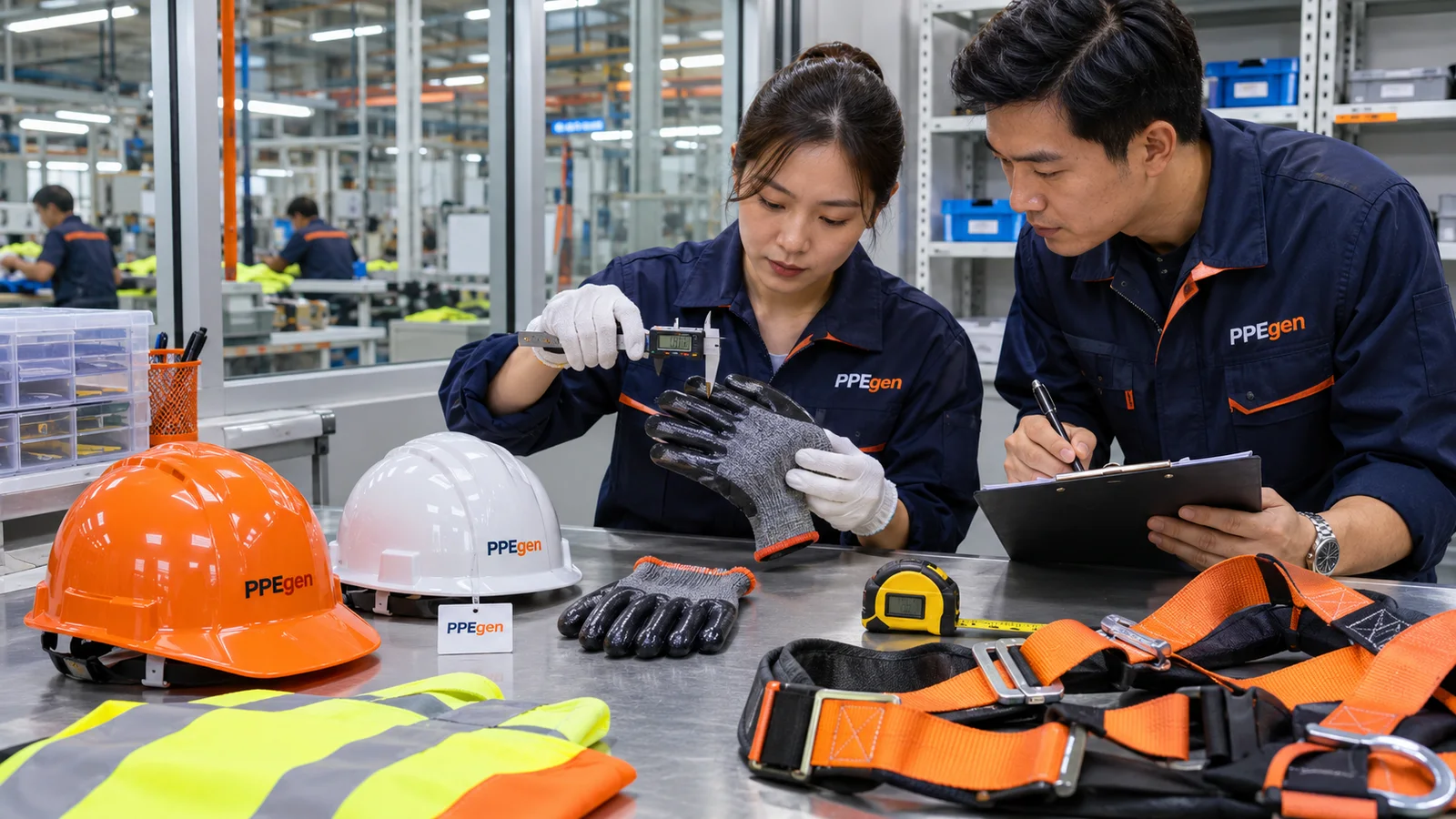
A plant program needs the same identified model, configuration, size range and instructions that were reviewed. Change control and shipment inspection help prevent an unapproved substitute from entering issue stock.
Connect each approved model to its work area, task and stated limitation.
Check the exact PPE combination through safe fit and movement trials.
Use workforce data and controlled exchanges rather than a generic size split.
Retain approved samples, revisions, packing details and change notifications.
Use these detailed guides to prepare product requirements, samples and order controls.
The employer determines PPE from the hazard assessment, tasks and control measures. Common categories can include hand, eye, face, hearing, foot, respiratory and protective clothing, but the exact approved product varies by work cell.
Usually a glove matrix is more defensible than one universal model. Handling sharp parts, oily components, precision assemblies, chemicals or heat can require different constructions and limitations.
Use a controlled, nonhazardous fit and movement trial with representative users. Record size, compatibility, dexterity and interference observations without treating workplace feedback as laboratory certification.
Identify the exact approved model, materials, configuration, labels, packaging and revision. Require review before substitutions or material changes, and inspect shipments against the controlled order file.
Yes. After the product and size requirements are approved, cartons or kits can be organized by department, shift or work cell with a clear contents and replenishment plan.
No. PPE is one layer of control. Manufacturing programs also rely on elimination, substitution, engineering controls, guarding, procedures, training, supervision and maintenance.
Share the production tasks, assessed hazards, required categories, worker sizes, destination market, quantities and replenishment plan. We will return with product-specific questions.